All Posts

Olympic National Park

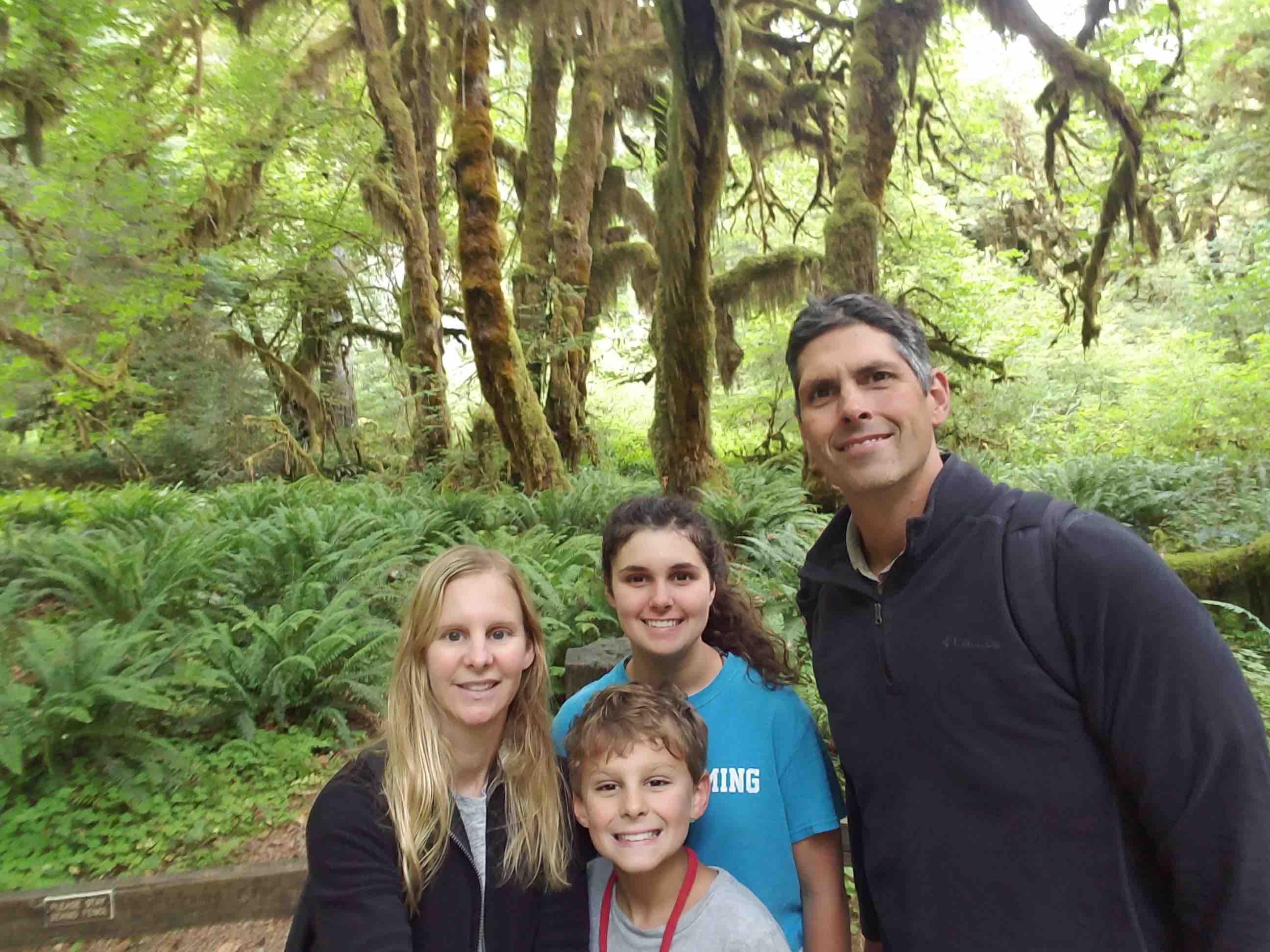
Have you ever had the experience of eating so many appetizers, that you don’t enjoy your main dish as much as you thought you would? The dish is great, but it should have come out earlier in the evening. That was our experience at Olympic National Park. When you have been surrounded by beauty in every national park, after a while it isn’t as impressive anymore. Our first campsite was in the Hoh River Rainforest. We hiked the Hall of Mosses and Hoh River Trail. We were blessed with crystal blue skies, so we didn’t need our rain jackets. The forest was gorgeous, but after just visiting the Redwoods and Crater Lake, it was tough to get the kids motivated. There was plenty of wildlife; deer, elk, bald eagles, however, the children preferred to relax at the campground, and playing along the banks of the Hoh River. We needed a change of scenery. Luckily, and Olympic NP had just the thing; Rialto Beach. Our sunny skies gave way to a thick marine layer, which made its prominent rock promontories all the more imposing. A 1.5-mile hike north from Rialto Beach brought us to some very impressive tide pools. We timed our visit with low tide and were not disappointed. Our attention turned away from the utopian Hoh River rainforest toward the cranky and cramped sub-tidal fauna of the Pacific. Life in tide pools can be tough, predators abound, and food is scarce. One tide pool held our attention for more than an hour. There were hermit crabs on one side, finger sized cabezon fish on the other, separated by a row of hungry sea anemones. The stage was set for a tide pool tantrum. I cracked open one of the abundant California mussels and dropped it into the pool. The tide pool sprang to life in a miniature game of “steal the bacon”. It was a hurricane of activity as each creature viciously fought the others for food. It was fish vs fish, then crab vs fish as all the creatures shredded the mussel to bits. At one point, two hermit crabs were fighting over a piece of mussel, when one of them accidentally backed into the tentacles of a waiting sea anemone. The kids shrieked with satisfaction as the crab was rapidly engulfed by its turquoise tentacles. More! More!, the children cried, enthralled by their newfound mini version of the Hunger Games. It was only when we cracked enough mussels that the crabs and fish were not hungry anymore, that the kids decided that it was time to go. We looked out over the acres of other pools, each one now seeming to us as its own Coliseum, each struggling to survive the rhythm of the Pacific tides.
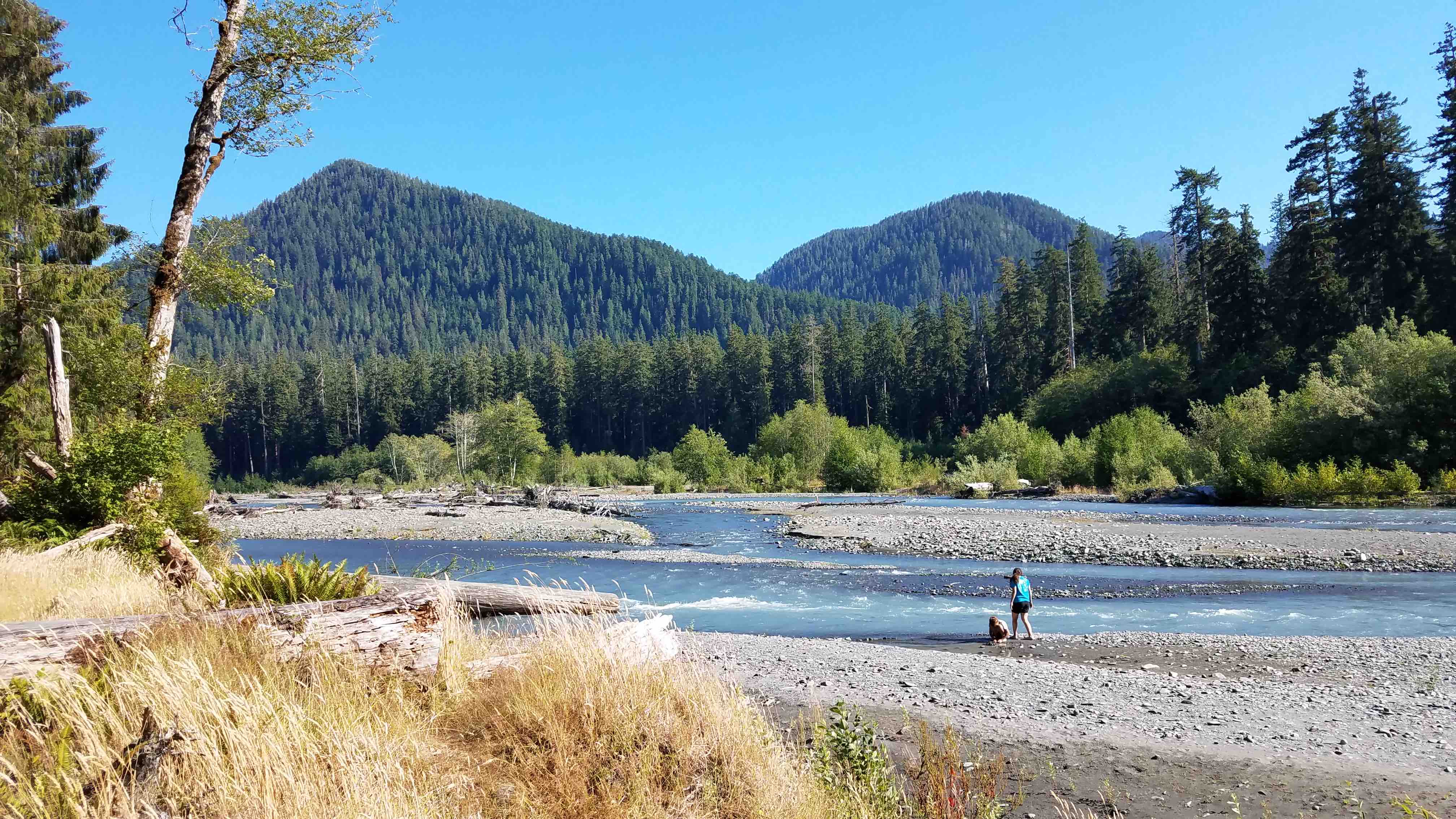
Kids playing in the Ho River next to our campsite
Gawk at the mosses
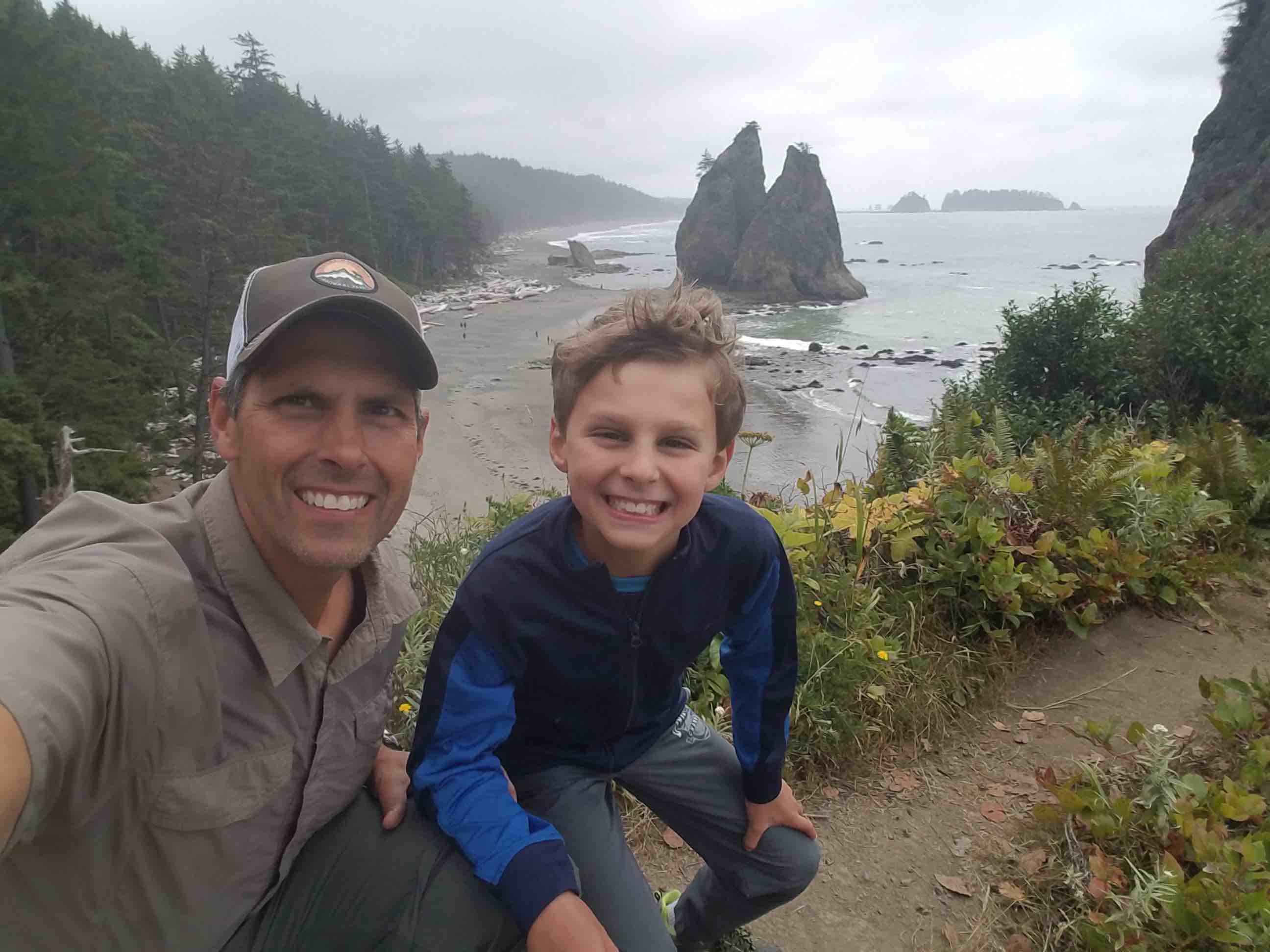
Rialto Beach
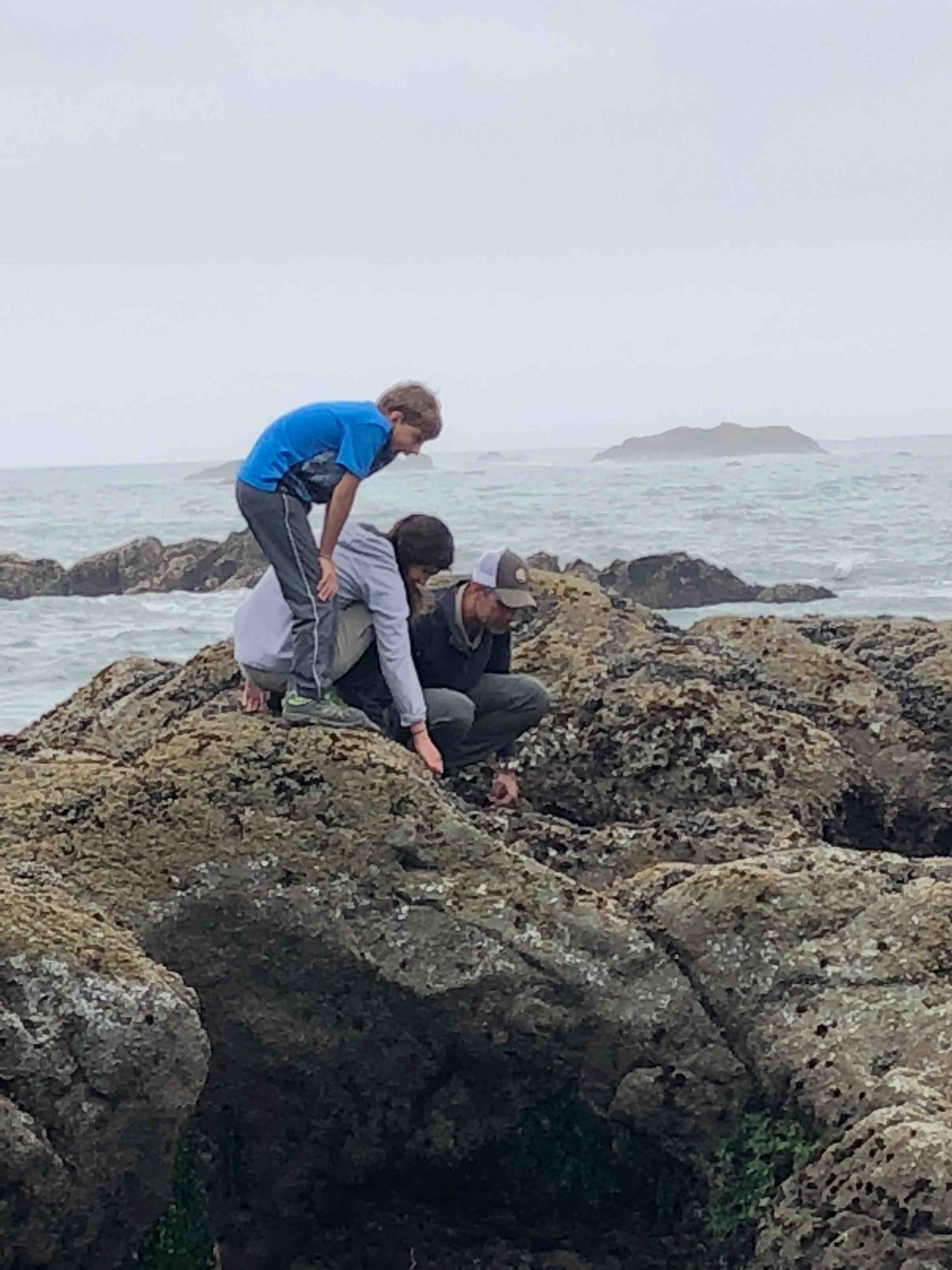
Tide pool watching

Crater Lake National Park: Big, Deep and Blue

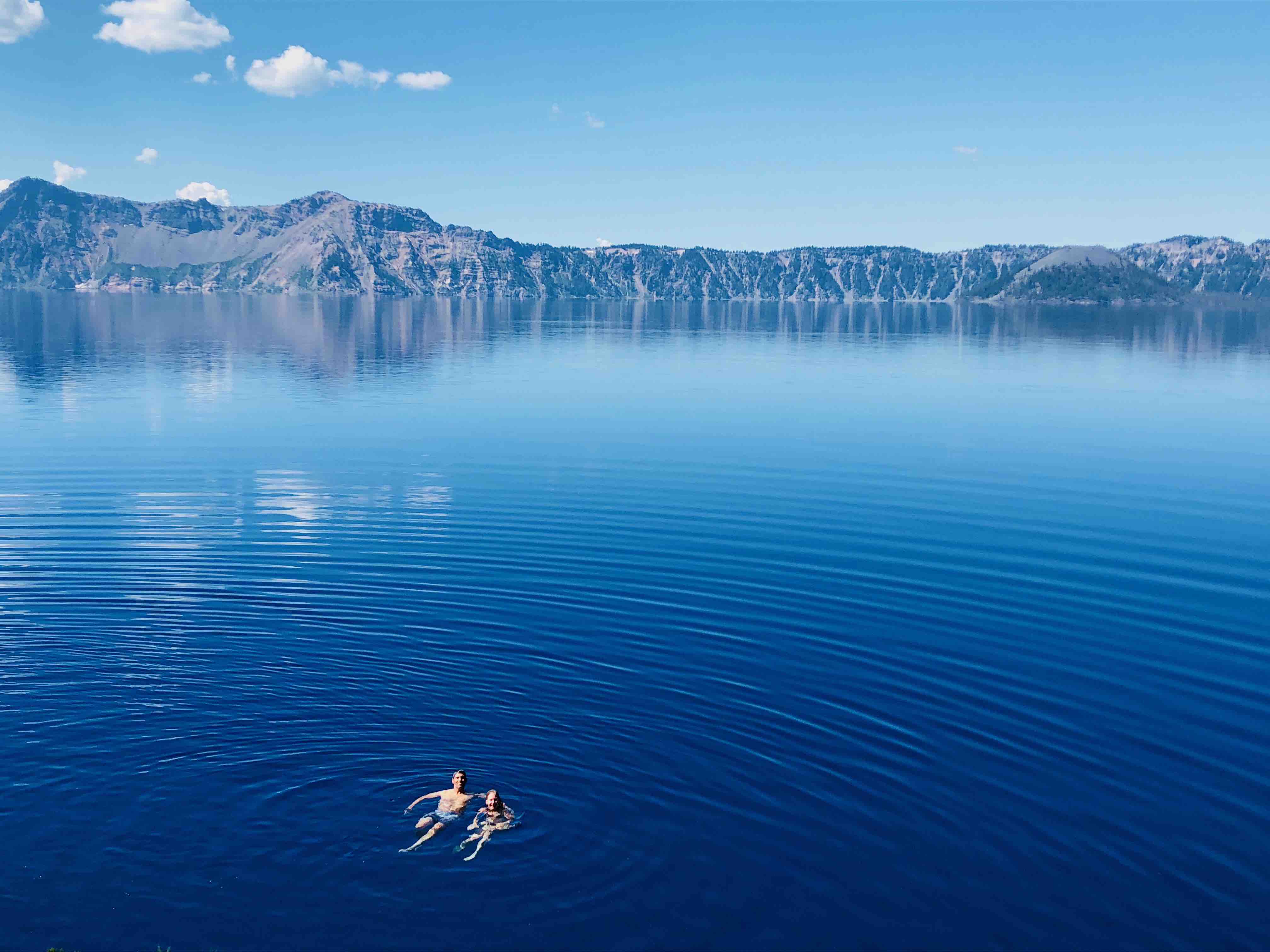
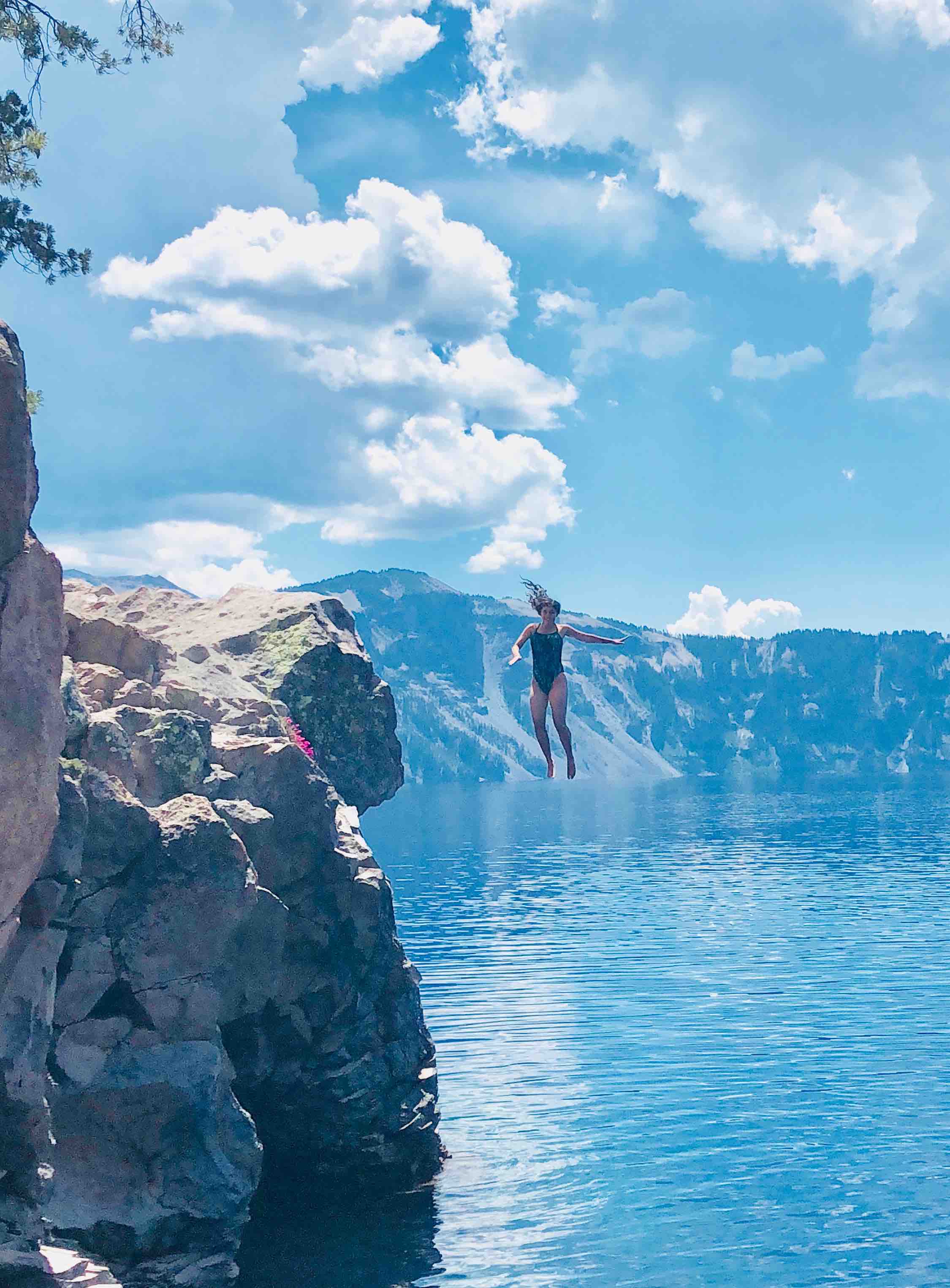
First impression: That is a very blue lake. Second impression: There are a lot of mosquitos here. Crater Lake is the deepest lake in the United States and it also boasts being the clearest and cleanest. The basin was once a mountain peak but after a volcanic eruption 7,700 years ago, it became a deep fissure and filled with rain and snow. The day we arrived it was perfectly clear and the views from the Rim Village Visitors Center reminded us of a postcard. After exploring the rim a bit, we headed to the Mazama Campground where we found ourselves immersed in mosquitos. We quickly made dinner and played some inside games. Eli started feeling bad around bedtime and after throwing up a few times, settled down for the night. Early the next morning, we decided to make our way to Cleetwood Cove, which is the only legal place to access the lake. We packed our lunch, fishing pole, and swimsuits and headed down the 1.1-mile trail which dropped 700 feet. I can’t emphasize the beauty of the lake views. We stopped along the trail a few times to try and take it in. It is by far one of the most beautiful lakes I’ve ever seen. At the bottom, we found ourselves excited to jump into the 60 degree lake from a rock ledge! We all jumped. Some of us jumped several times! It was an incredible experience that we won’t soon forget!

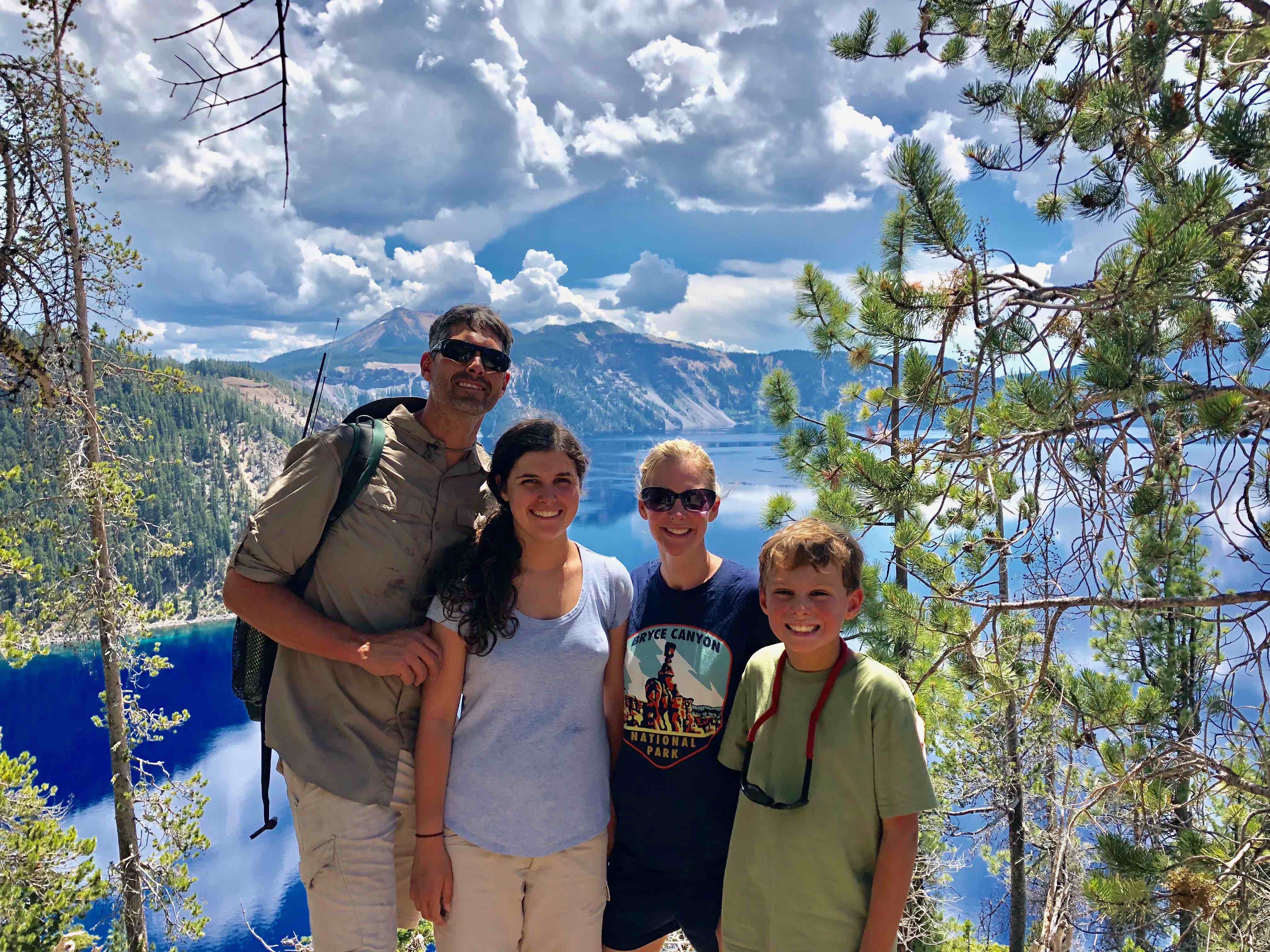
Crater Lake
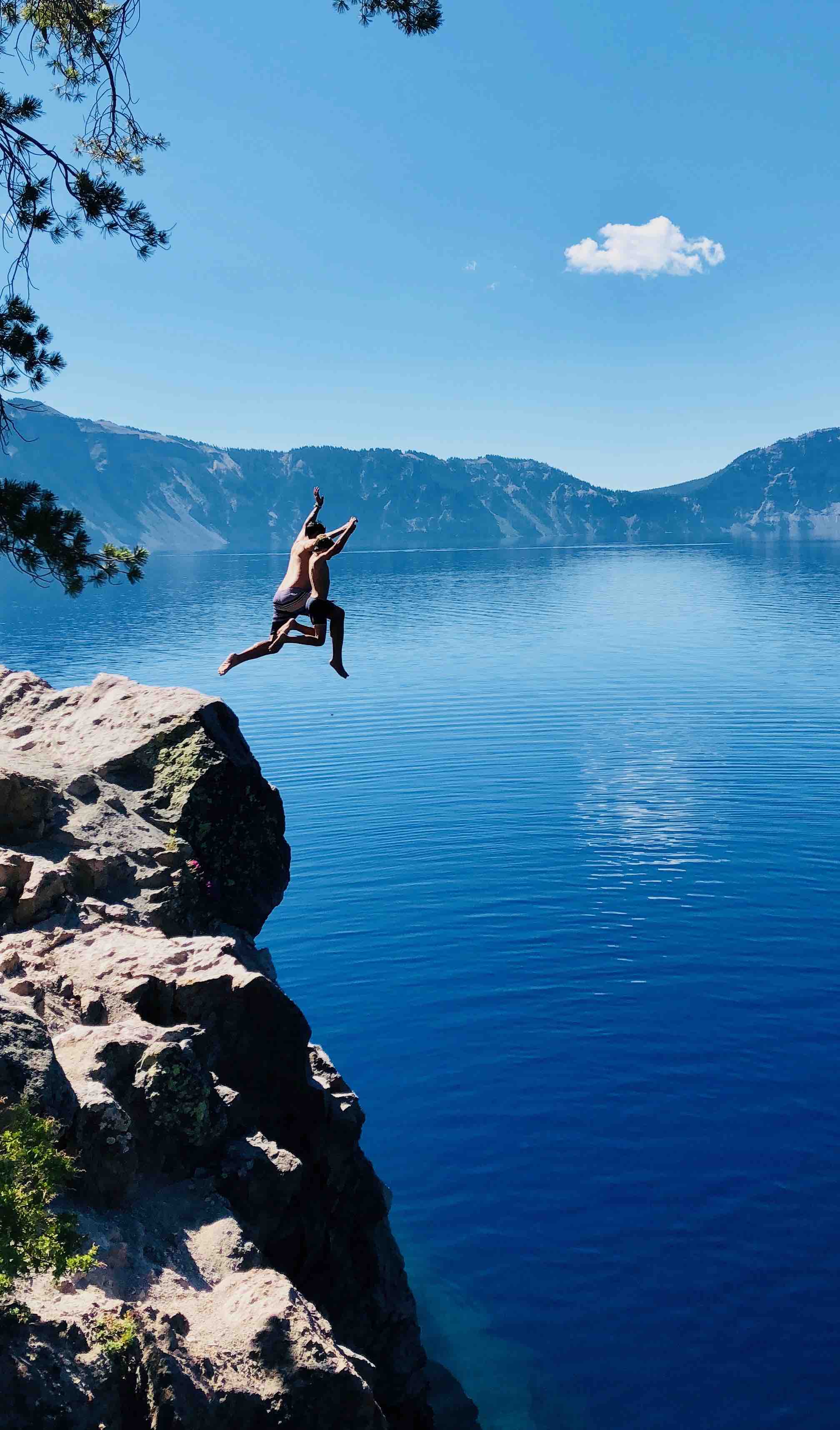
Matt and Eli jumping!
Matt and Korin
Samantha jumping in!

Redwoods National Park

By Samantha

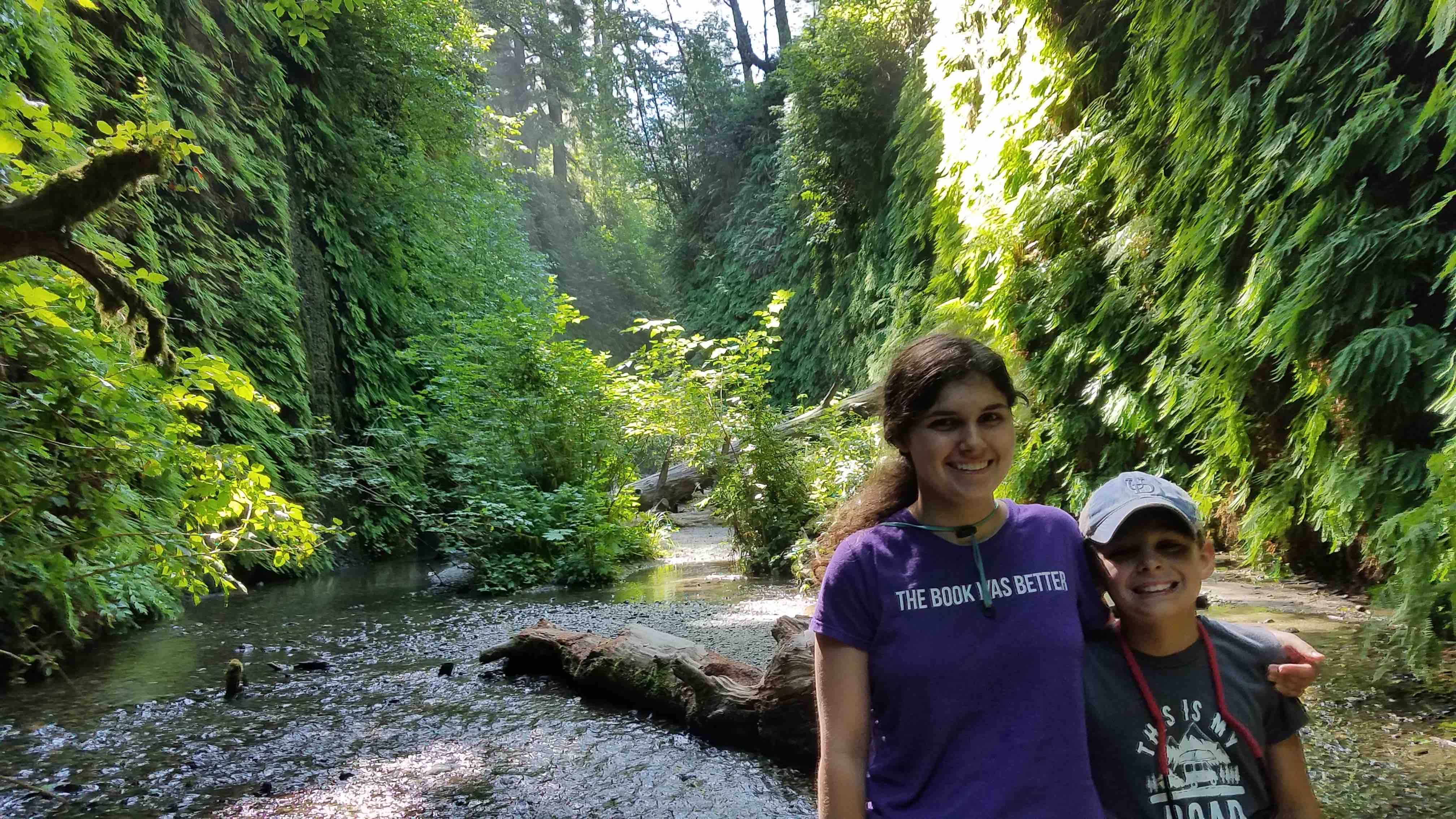
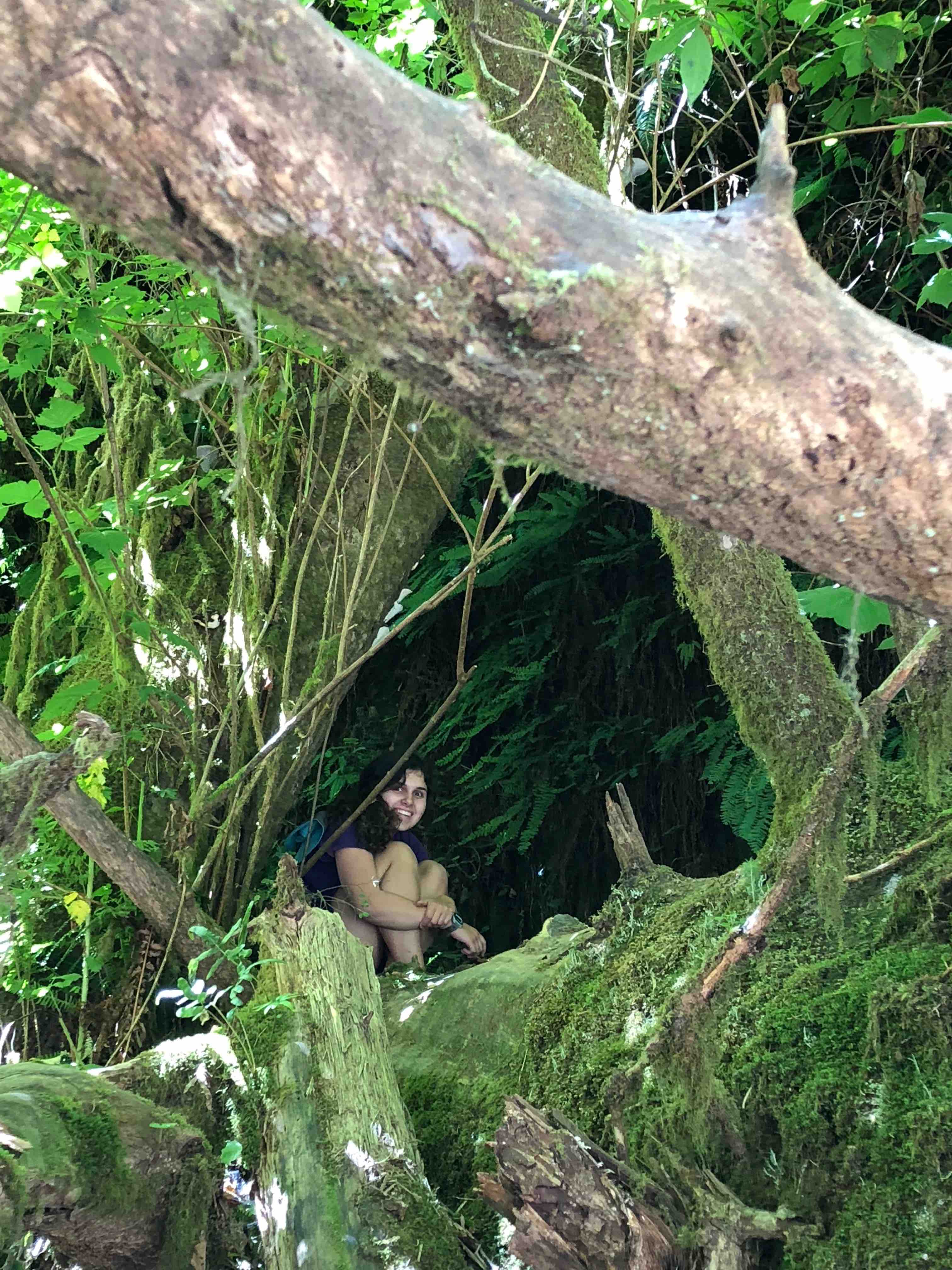
At first glance, it was an ordinary forest that just had really tall trees. At second glance, it was an alien world with bizarre flotsam hanging off the trunks of ancient slumbering trees. This unique landscape has not been overlooked by filmmakers and has an impressive repertoire of movies grace its natural wonders.  Over the years, Redwoods National Park has become a variety of movie sets, most notably becoming the Forest of Endor in The Return of the Jedi, and a canyon in Jurassic Park 2. So, when I arrived in Redwoods I naturally did the only thing a Lord of the Rings fan could do in a place that is the spitting image of Fangorn Forest. I flipped out. When we arrived in Fern Canyon, I would be lying if I said that I didn’t start choking back tears. The stone passages of the canyon were covered by a mass of quivering green fans, and dusty beams of sunlight filtered in through the gnarled trees up above. Waterfalls poured from the heavens and into the canyon, turning into babbling brooks of undiluted joy. The floor was a mosaic of swiftly moving streams, smoothly molded pebbles and fallen mossy trees. Except for the sound of rolling water, it was quiet. It was undoubtedly the most beautiful sight I had ever seen. It was all I could do stop myself from hysterically bursting into tears. When I found a hidden nook in a fallen tree, high above the rivers and tourists, I seriously considered abandoning my family and living there forever. I will always remember Fern Canyon, a place with a vivid green heartbeat and the place of my dreams. To me, Redwoods will always be much more than tall trees.

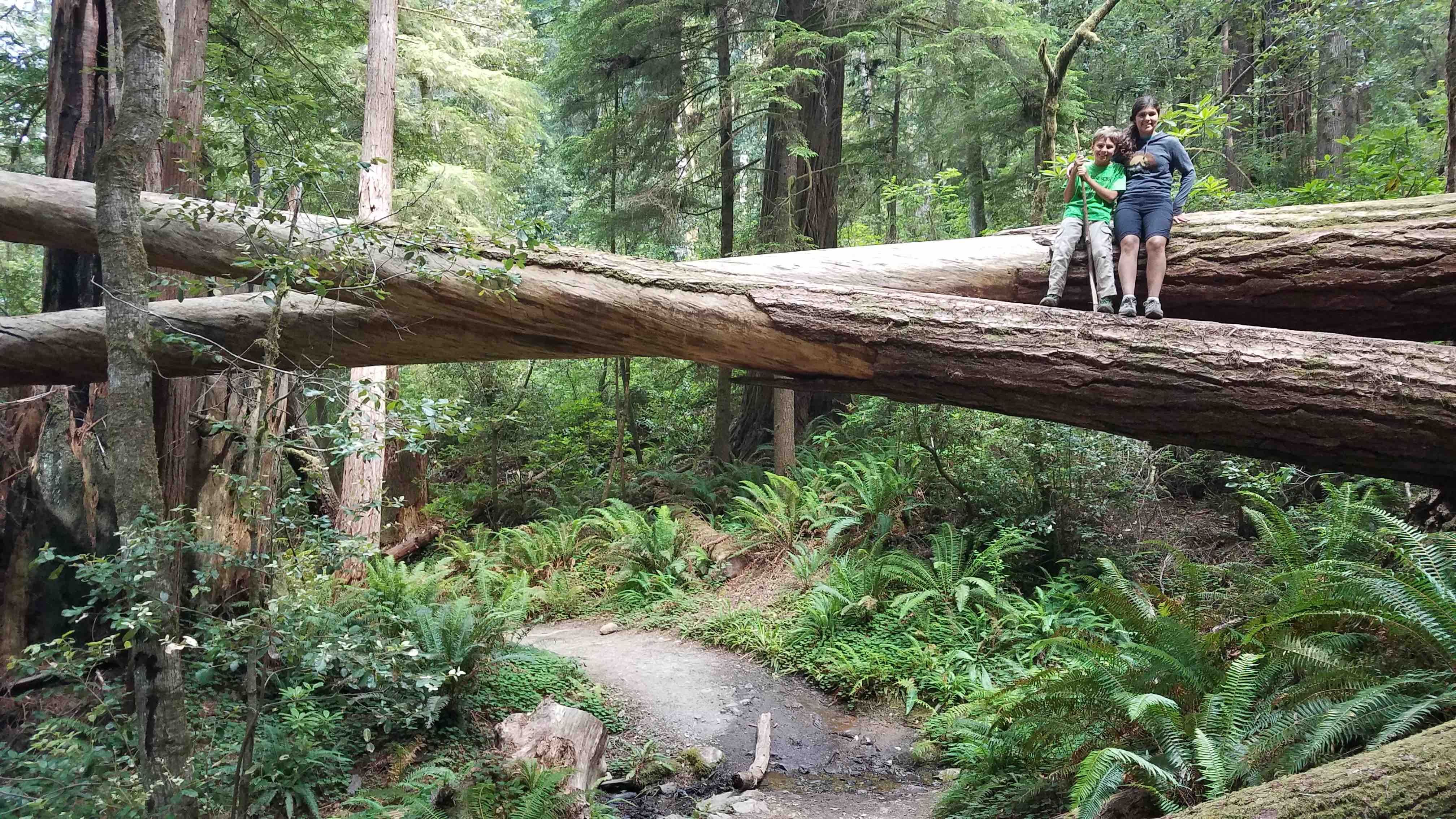
Hike in the Redwoods


Fern Canyon


The nook


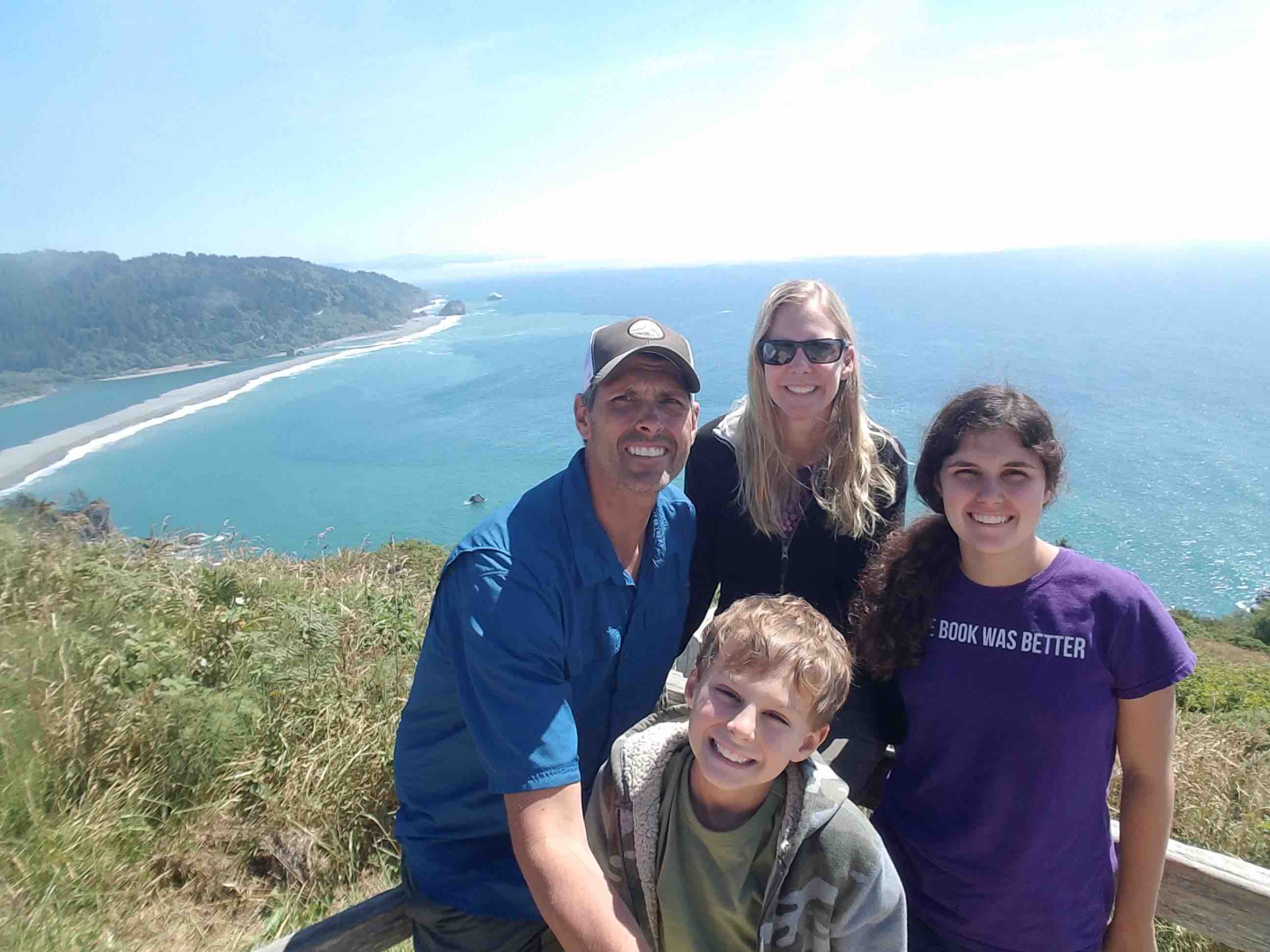
Mouth of the Kalmath River with coastaly trapped river plume
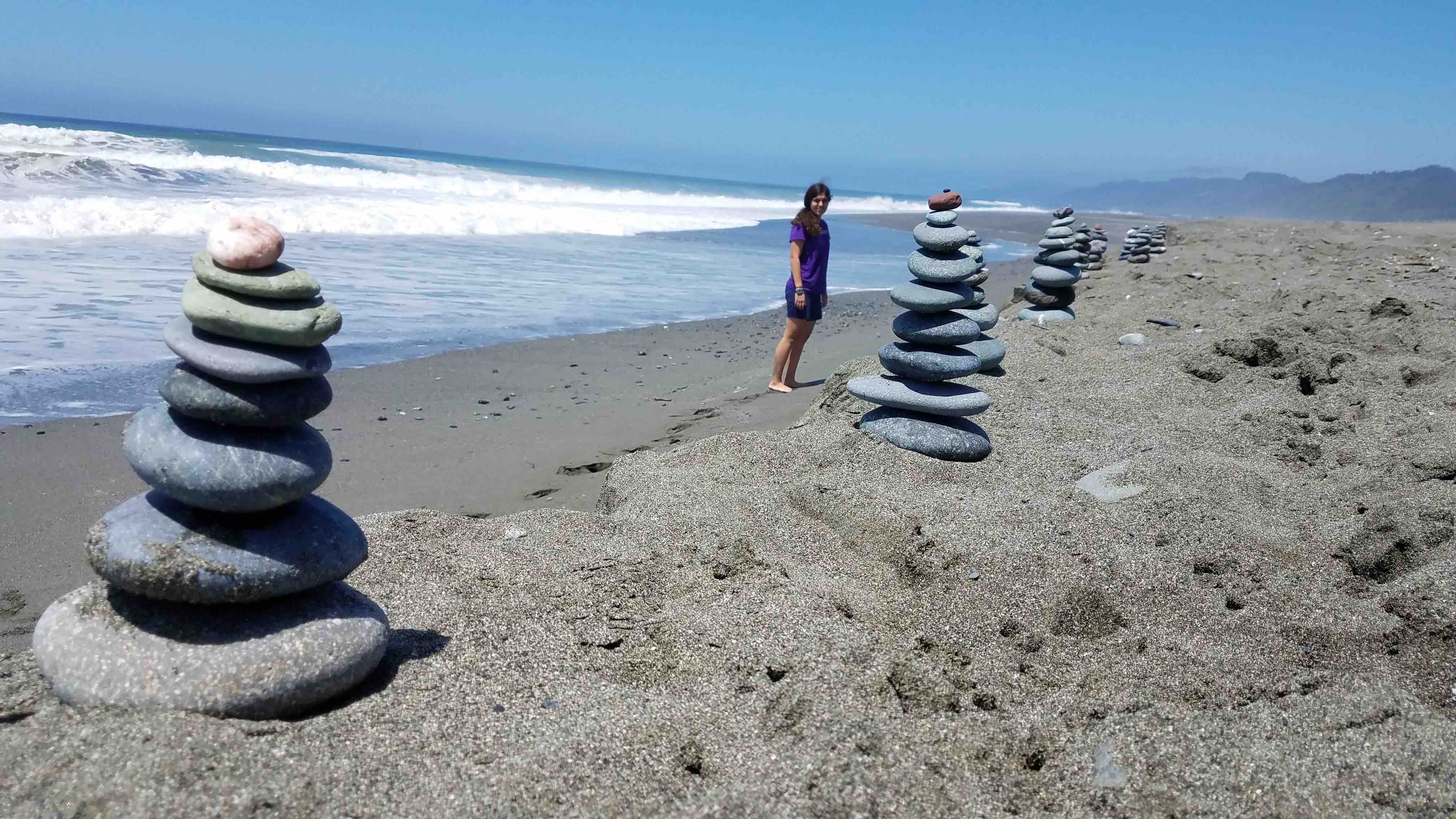
Golds Bluff Beach

Lassen National Park: Family Camp Along

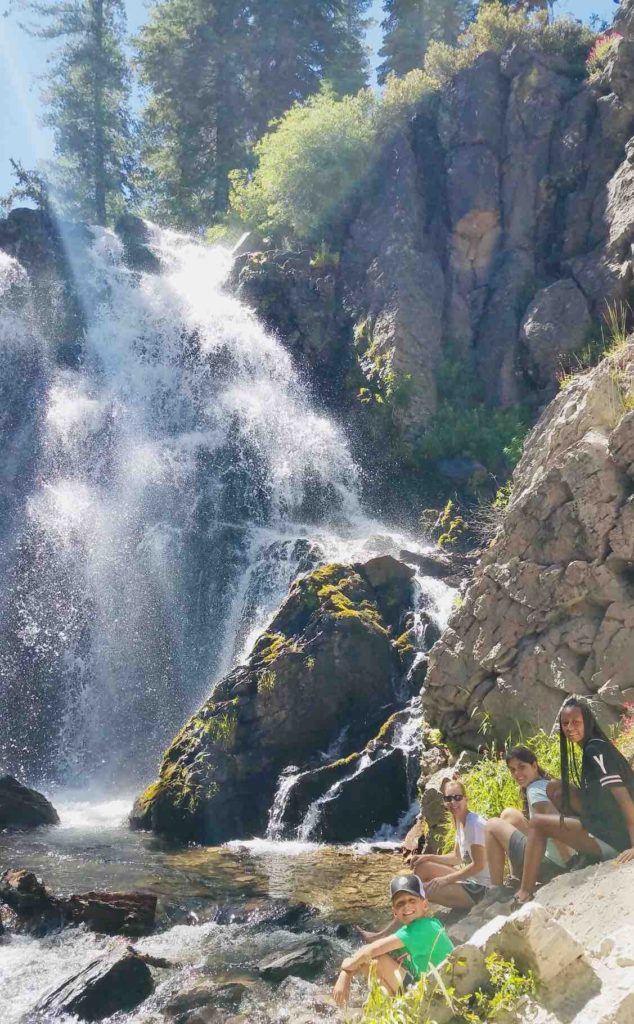
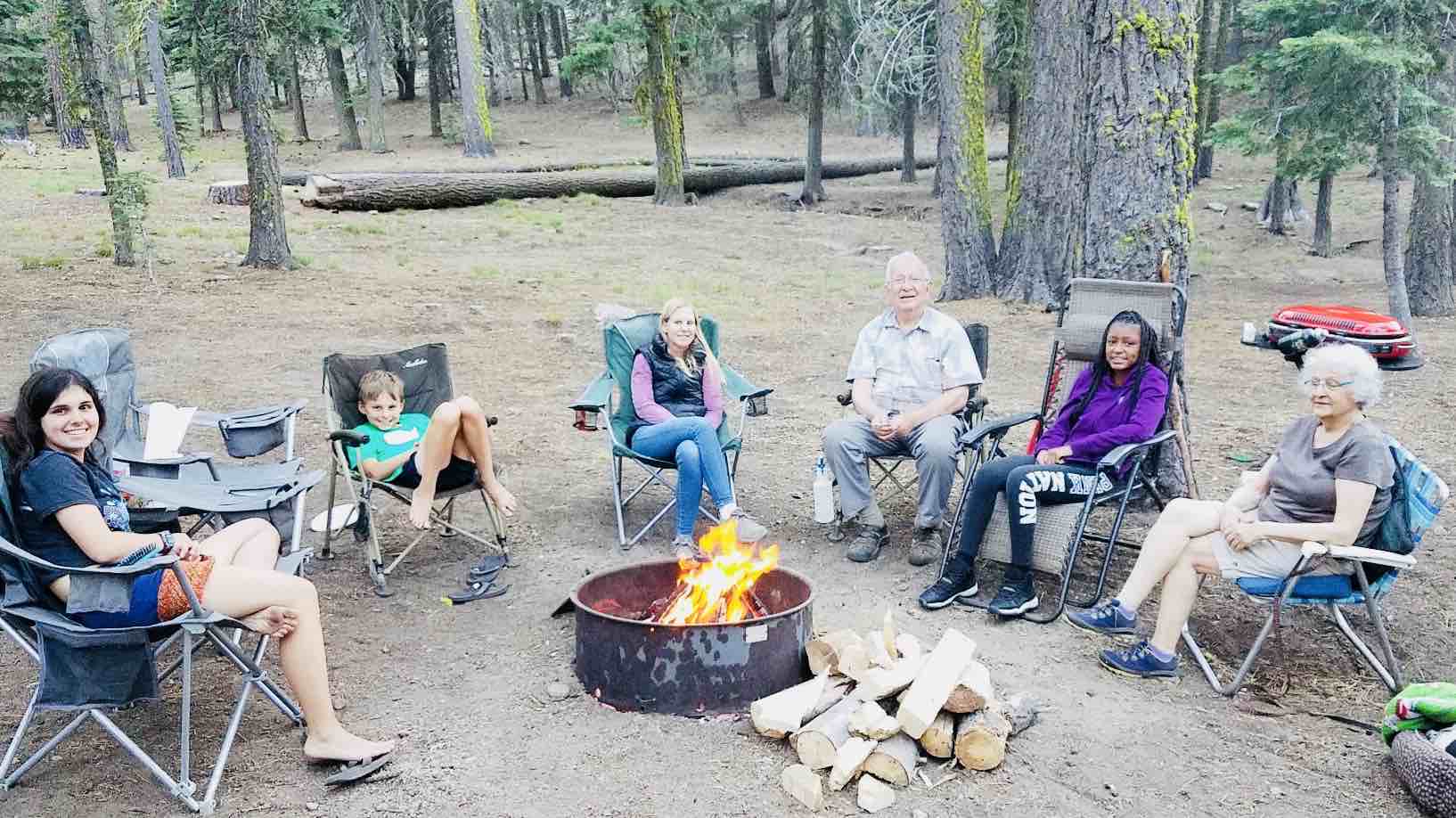
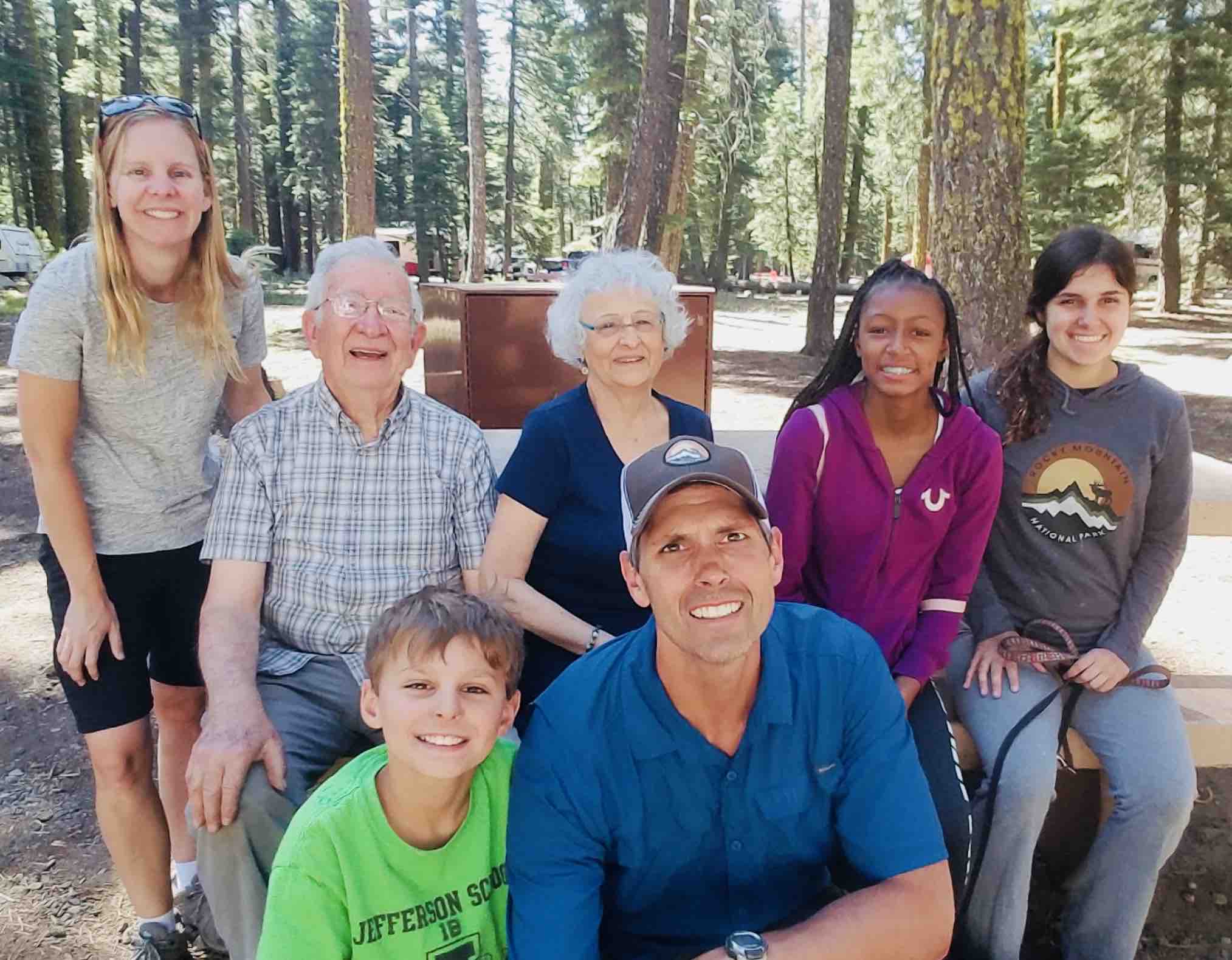
When we arrived at the Lassen National Park Manzanita Campground we found Grandpa Epp working hard to set up his campsite. We were excited to spend time with him, Nona, Nona’s Great-Granddaughter Jaliya, and their spoiled dog we affectionately call Cousin Bella. We spent the afternoon and evening catching up, exploring the lake, eating dinner, roasting marshmallows and playing games. After a great night sleep and an amazing breakfast, we set off to see the park. Lassen is known for having four different types of volcanoes: cinder cone, shield, composite and plug dome. Mount Lassen erupted in 1914 leaving a destruction zone that we could explore. We also saw two beautiful alpine lakes: Emerald and Helen. The most popular hydrothermal area in the park, Bumpass Hell was closed but we did get to Sulphur Works, which had some boiling mudpots. Before heading back to the campsite, we went on a three-mile hike to Kings Creek Falls. The views of the meadow and waterfall were stunning. As we hiked, I felt incredibly blessed to have the opportunity to see these amazing places and spend quality time with my family. When we got back to our site, Grandpa and Nona had made a steak dinner for us —what a treat! It was the best dinner we’ve had since starting our journey. Around the fire, Grandpa told us stories about camping as a young man while Nona and kids the played Clue. The morning we left, Matt caught a nice brown trout in Manzanita Lake. We had a fabulous time together in a spectacular place and unsurprisingly, it was difficult to say goodbye.

Kings Creek Falls
Campfire Fun!
The whole gang!

RVing VS Camping

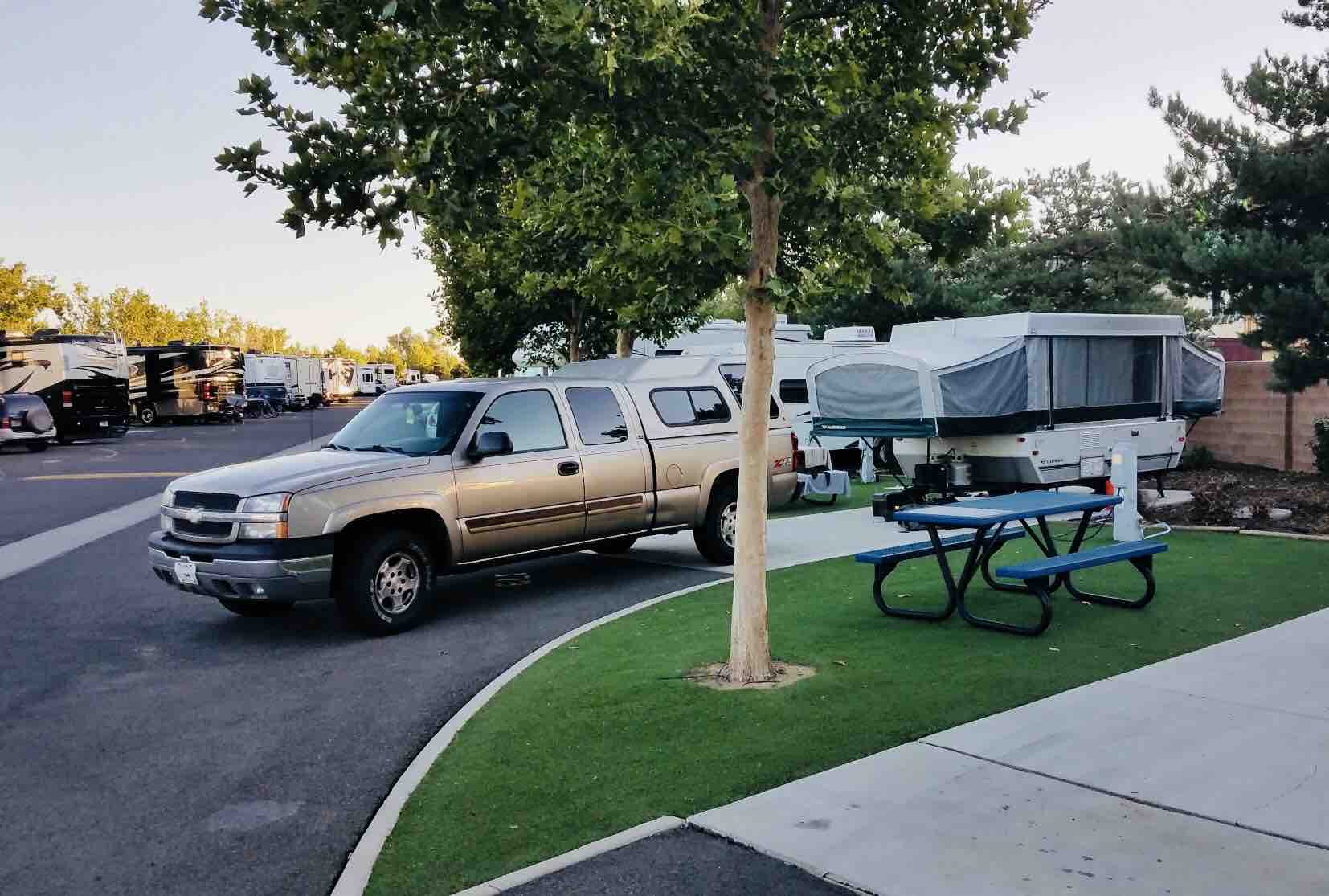
Between Great Basin and Lassen, we spent one night in Sparks, Nevada to do laundry, get an oil change and resupply. We stayed at Sparks Marina RV Park where they evaluated our rig to see if it was up to community standards. I think they mentioned no duct-tape, which is actually a problem for us. We were the only tent trailer in a sea of triple axel motorhomes pulling luxury coupes. We decided to come up with a short list about the difference between RVing and Camping.

Top ways you know you’re in a RV park:

  1. You have fake grass next to your concrete pad.
  2. The public bathrooms are super clean because no one uses them.
  3. They give you a list of cable channels when you check in.
  4. You mistake airplanes for stars
  5. There are more rules at check in than in the Bible
  6. You can hear and see your neighbors television
  7. Your neighbors have an outdoor, tabletop cat cage.
Our “campsite”

Great Basin National Park: An oasis in the desert

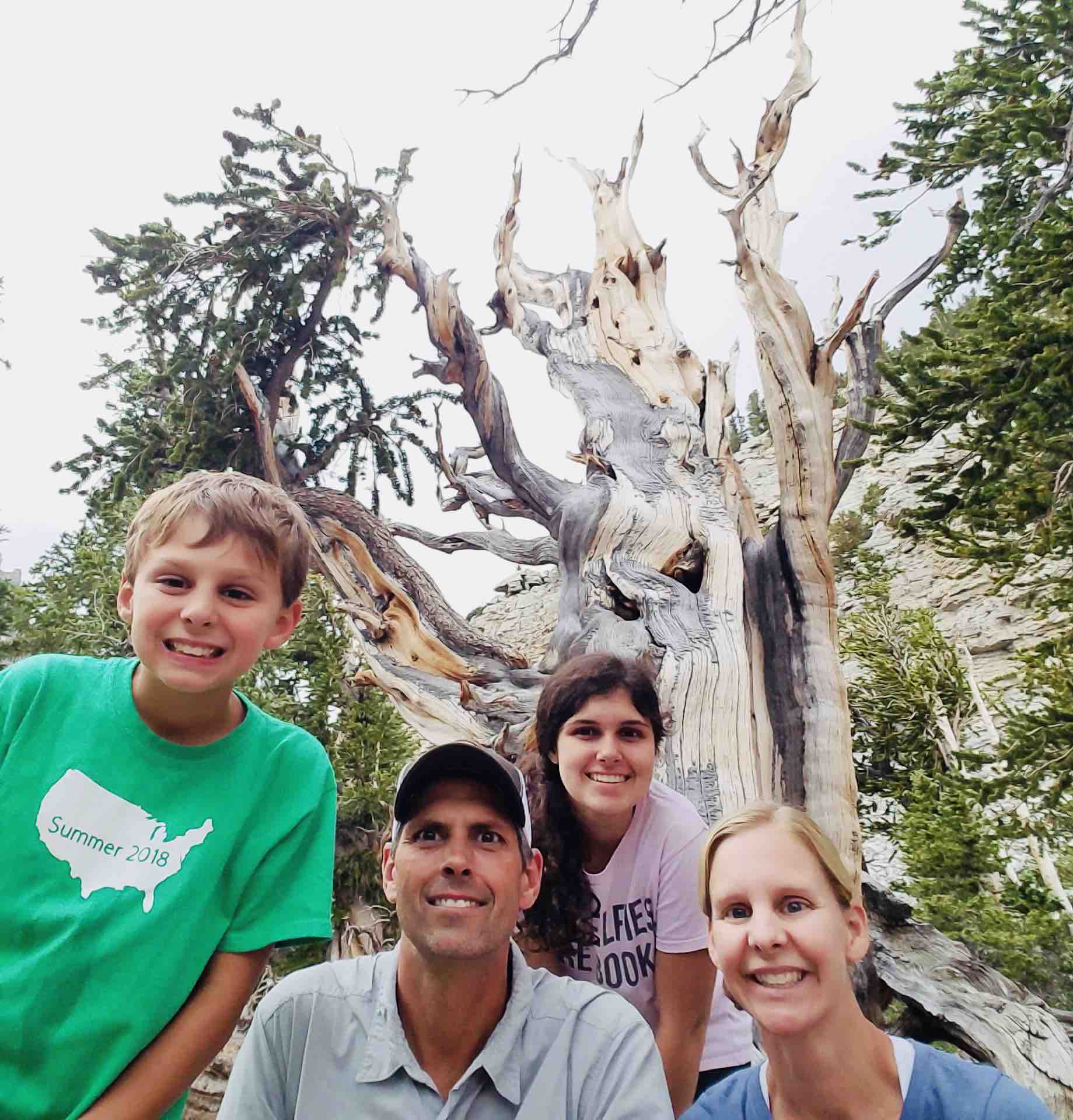
When we reached the Great Basin Visitors Center it was 101 degrees and the kids were sluggish and complaining. They knew our campsite wasn’t going to have electric, water, flush toilets or showers. Furthermore, the thought of sleeping in hundred-degree weather was daunting, even though Matt assured them that our campsite wouldn’t be hot. After getting information from the ranger and watching the park movie, we drove up the ten-mile Wheeler Peak Scenic Drive, which climbed to 10,000 feet. When we pulled into our campsite it was 51 degrees and raining! The kids were elated and went off to watch two deer in the meadow and explore a nearby stream. The rain continued and we waited it out by playing Hearts inside the trailer. After the rain stopped, we made dinner and hiked around two miles to the grove of Bristlecone Pine trees, the oldest trees in the world. They grow slowly and are highly resinous, which means they have a ton of sap. They also decay very slowly so even after dying, they can still be seen for hundreds of years. When we reached the grove I felt a sense of reverence and inspiration. We saw one living tree that was around 3,200 years old, which means it germinated about the time the Israelites were wandering in Sinai wilderness! Matt gave all of us a science lesson on the trees and as we hiked down, crushing pine needles from several different species while discussing how unique they all smell.

Posing in front of 3,200 year old tree


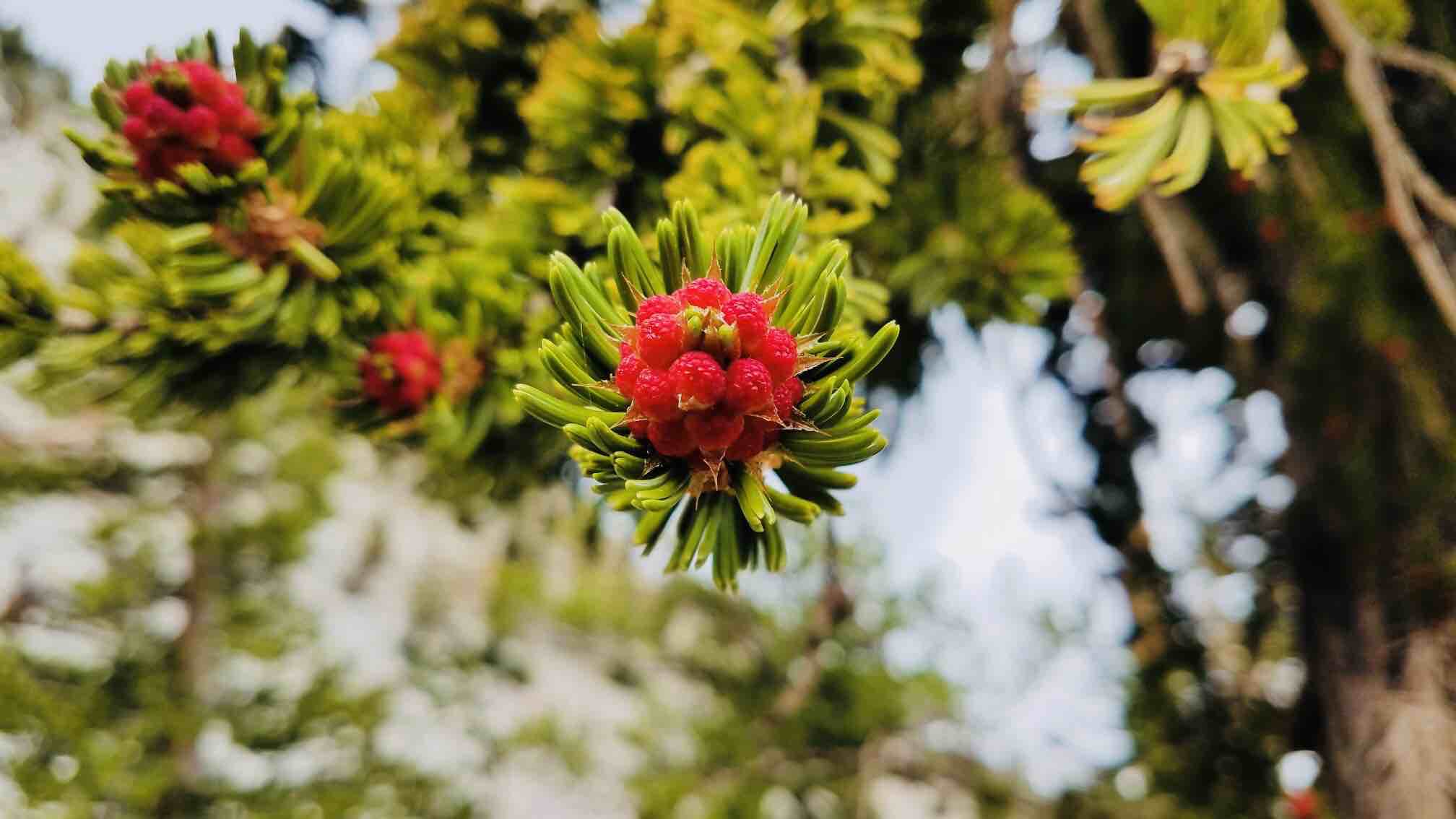
Bristlecone Pine


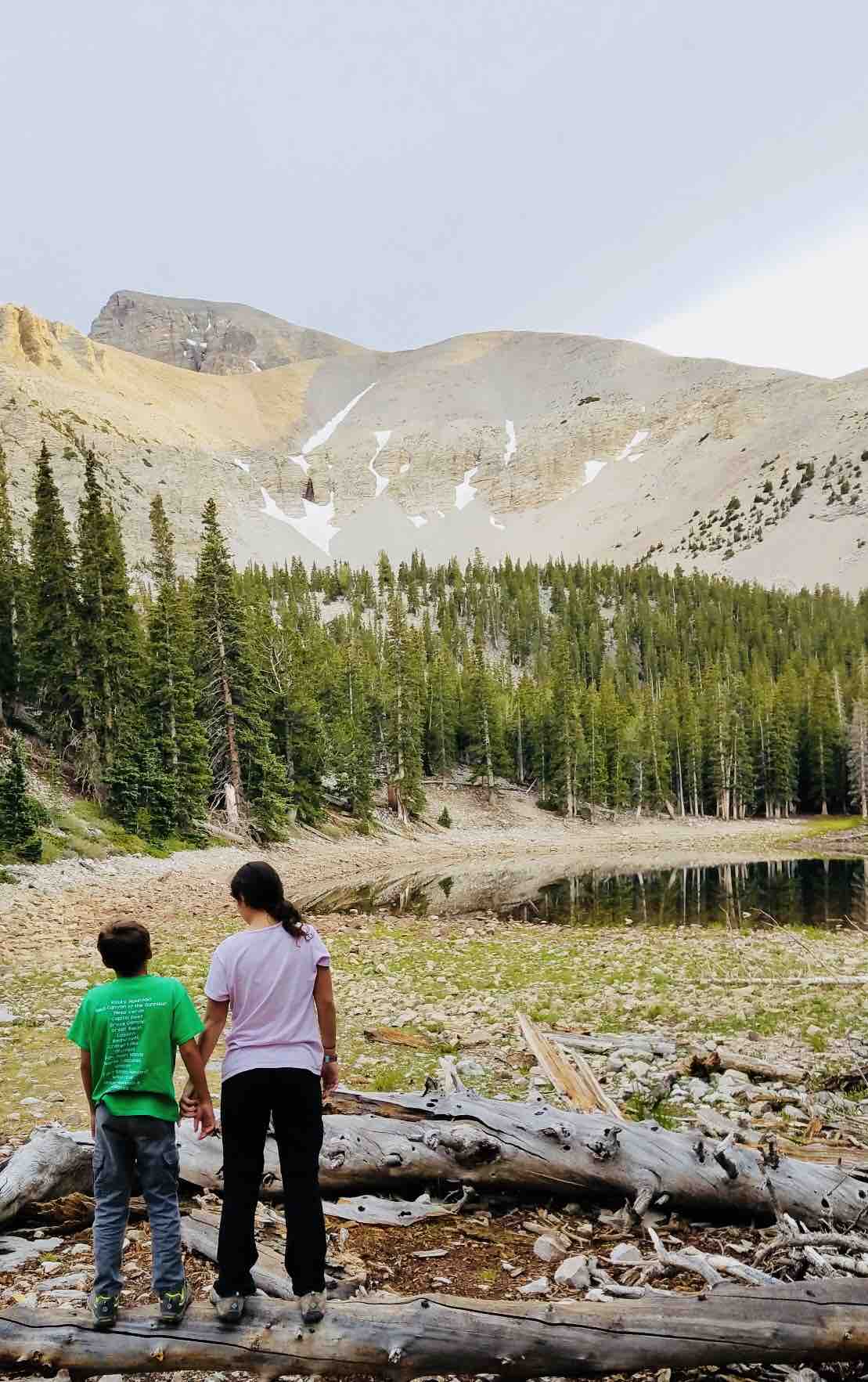
Eli and Sam at Teresa Lake

Bryce Canyon: Kids hit the wall

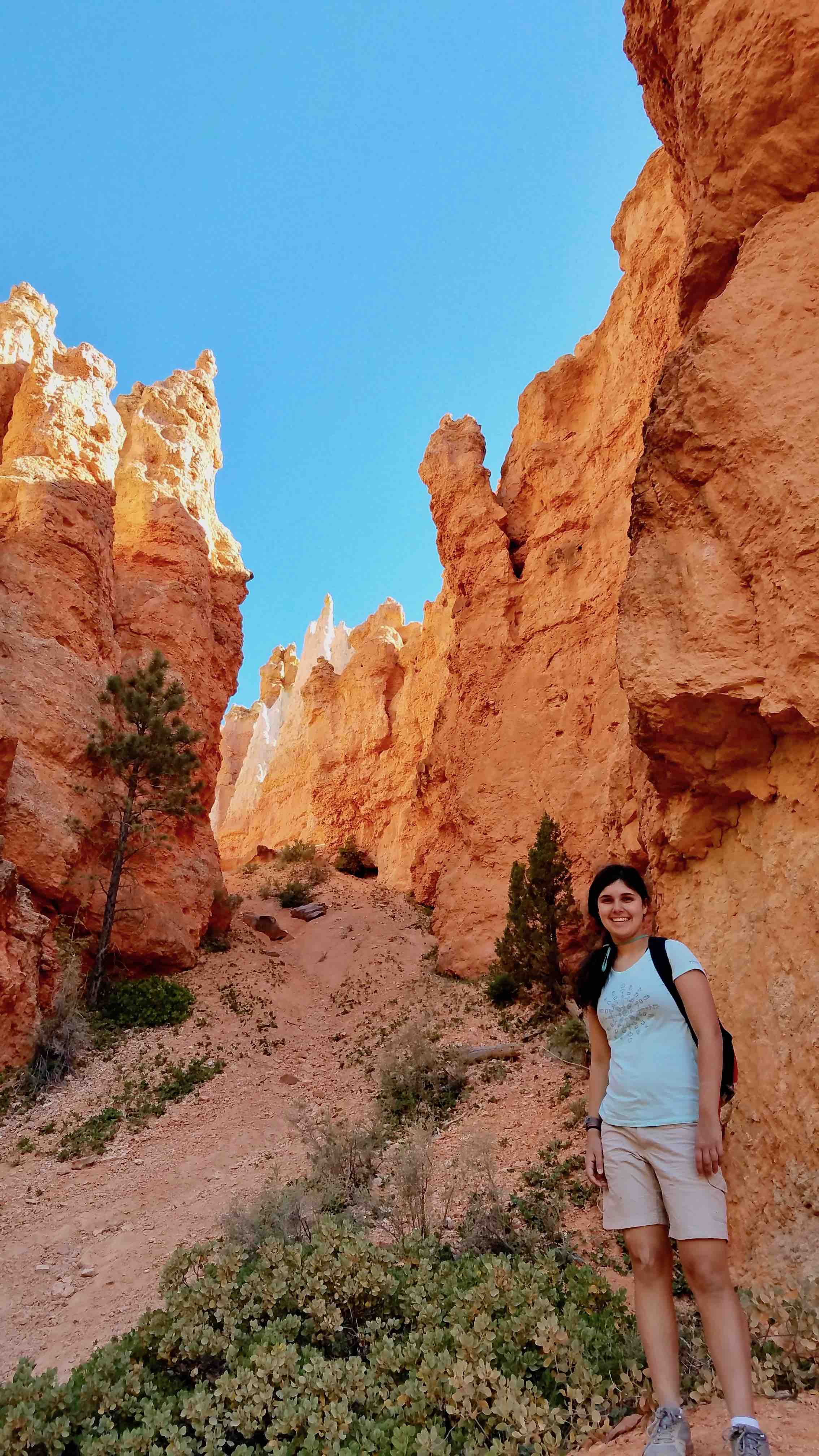
We’ve been pushing the kids pretty hard; 9 National Parks/Monuments in two weeks. At some point, I was waiting for the first breakdown, and it came on our first day at Bryce Canyon. We got on the Queen’s Garden Trail early to beat the heat and the crowds. The blue-bird day accentuated the contrast between the pink Hoodoos and the deep green trees. Personally, I was high on nature, virtually skipping along the winding trail, mouth gaping at the beauty. We were only about 1.5 miles into our hike, when Korin and I noticed that the kids weren’t hiking, but shuffling along, staring mostly at their shoes. We knew this was the day. At some point, tired kid legs just won’t go anymore. We wrapped up our planned hike early, hiked back to our truck through Wall Street (which is amazing) and spent the rest of the day driving through the park. At one point, we tricked the kids into doing an extra 1 mile loop with us through the Bristlecone Pine trail (which was amazing). After that, they were on to us, and started their revolt. We were back at the campsite by noon, and spent the rest of the day at the campground pool. Eli found some kids that also had RC cars, but it wasn’t too long before he wrecked his car pretty badly. We need new parts to continue. Total bummer!

That evening, I noticed that the inside of the front tires of our pick-up were nearly bald. This was bad news, so I called around to try and find tires, and a place that would do a much needed alignment. Thankfully a nearby tire repair shop had my size, and were willing to do an alignment on a Saturday morning (Thank the Lord!). I spent the next morning at the repair shop. Somehow the bolt on the front tie rod had come loose. The kids were happy about our truck situation because that meant I couldn’t put them back on a trail somewhere. They got to spend the day in the pop-up resting, playing board games, and watching movies. We even got to experience a short hail storm in the pop-up! That evening, we did a 0.8 mile trail to Mossy Cave, and enjoyed part of the Fairyland Loop. We are looking forward to our next trip to Bryce Canyon!

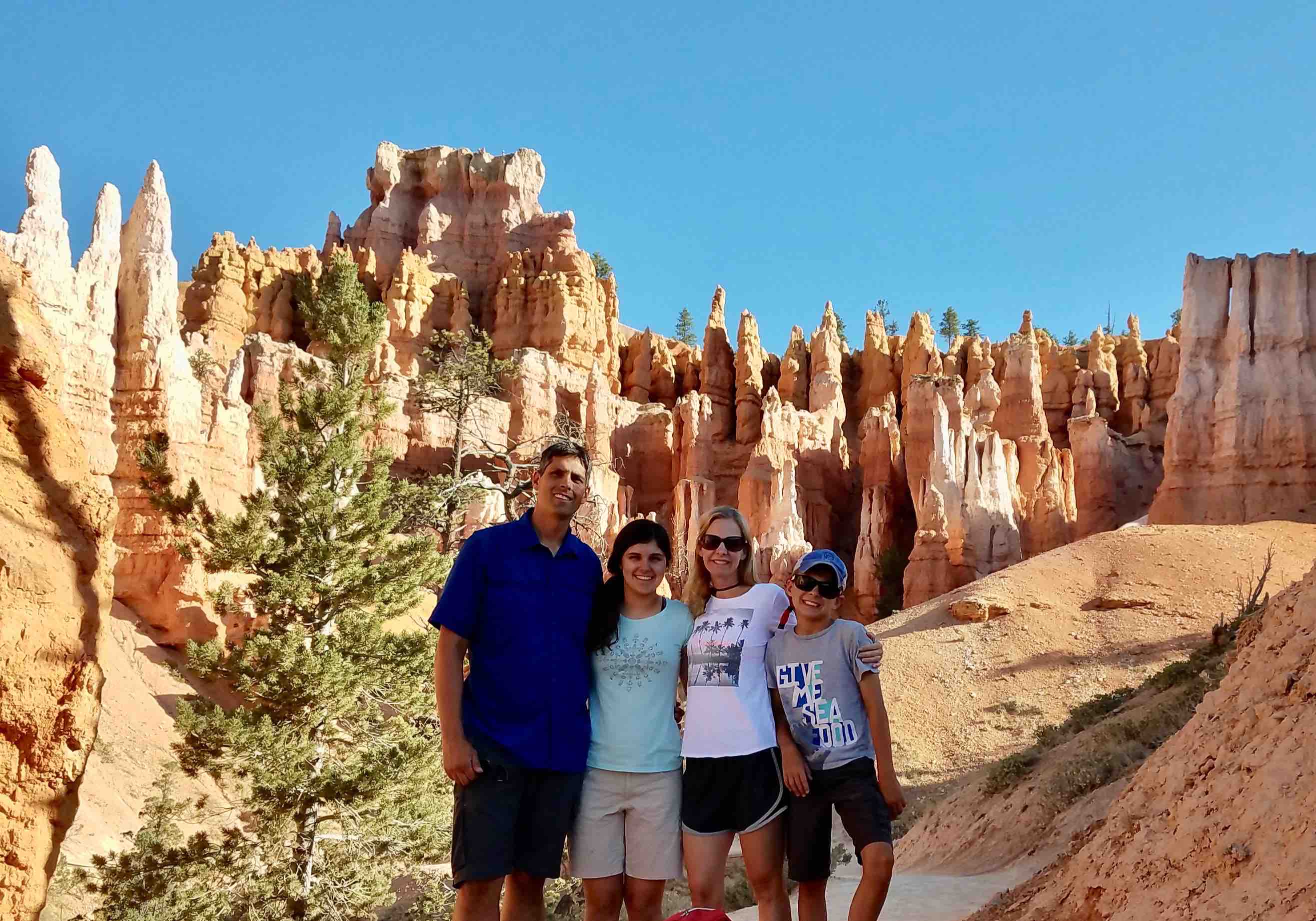
Hiking on the Queens Garden Trail
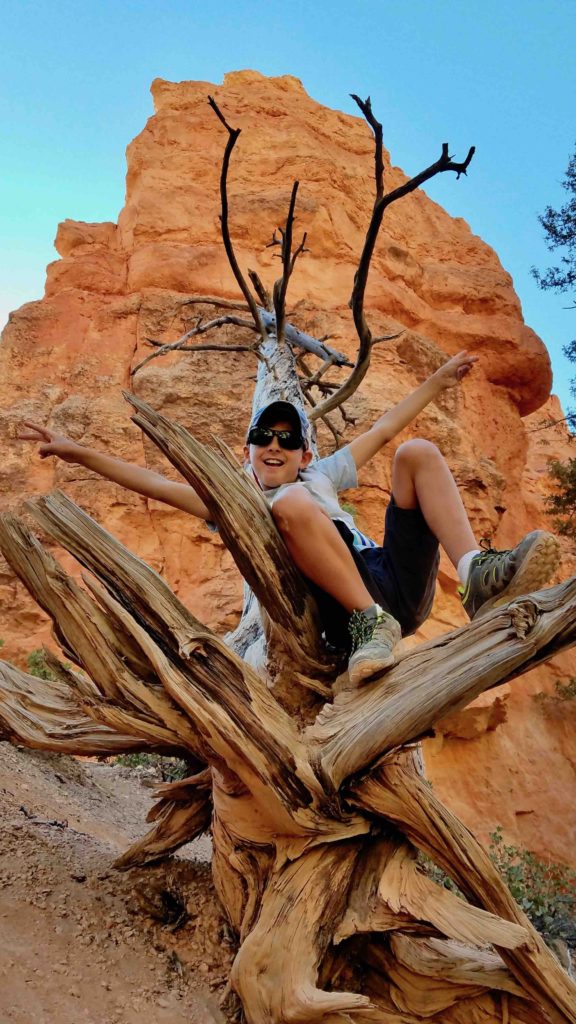
Eli before the revolt
Samantha planning the revolt

Capitol Reef: The oddly named national park

Highway 95 through Glen Canyon is the most scenic drive I have ever done. The road meanders between high red cliffs that give you the feeling of driving through the Grand Canyon. I didn’t know how Capitol Reef would be able to top this scenery. Capitol Reef is a 100 mile water pocket fold, that inhibited east-west travel for early pioneers. Early sailors, turned land lubbers, were the ones that thought it should be called a “reef” since it would grind down your gear as you attempted to cross it. “Capitol” was added because one of them thought one of the prominent domes looked like the US Capitol. For whatever reason, the name stuck. We arrived at the Fruita Campground in the evening  just in time to cook some pizzas over the open fire, while the kids picked ripe fruit from the onsite orchards. In the morning, I was awakened by the rustling of cotton wood leaves and saw several large bucks in our campground. It was much cooler because a layer of clouds had moved in overnight and dampened the heat of the sun. We decided to take advantage of this blessing and hike the Cassidy Arch Trail which is a 3.4 mile round trip with 1,000 feet of elevation gain. The sunlight passing through the moving clouds made the color of the rocks dance like a living rainbow. The occasional rain shower cooled us off as we approached Cassidy Arch. We hiked on top of Cassidy Arch and were rewarded with breathtaking views of the Grand Wash Canyon below. We could see that our cloud cover was leaving us so we double- timed it back to camp where we stopped at the Gifford House, a preserved homestead of early Mormon settlers where they still bake old fashioned pies. To our surprise, many of the pies were dairy free! Time to order 1000 of them (or 2). They were a fitting reward for a good hike in a magnificent place. Reflecting on our short trip to Capitol Reef, I am thankful for the safe travels through desolate but beautiful country, the morning clouds that gave us relief from the heat and the wonderful dairy free pies that our whole family enjoyed.

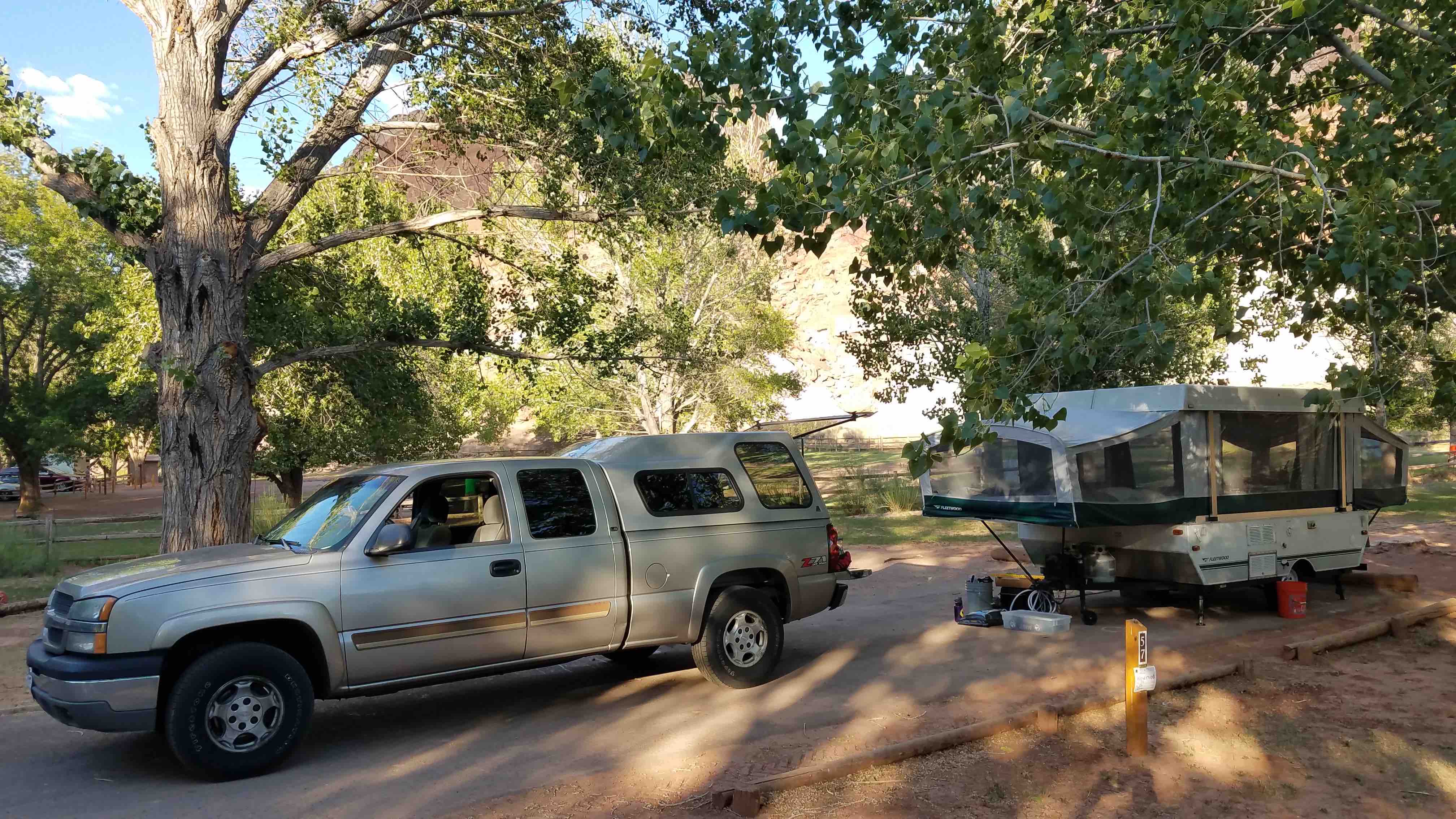
Our Fruita Campsite inside Capitol Reef NP. The campground is nestled in a preserved grove of fruit and cottonwood trees next to the Fremont River.
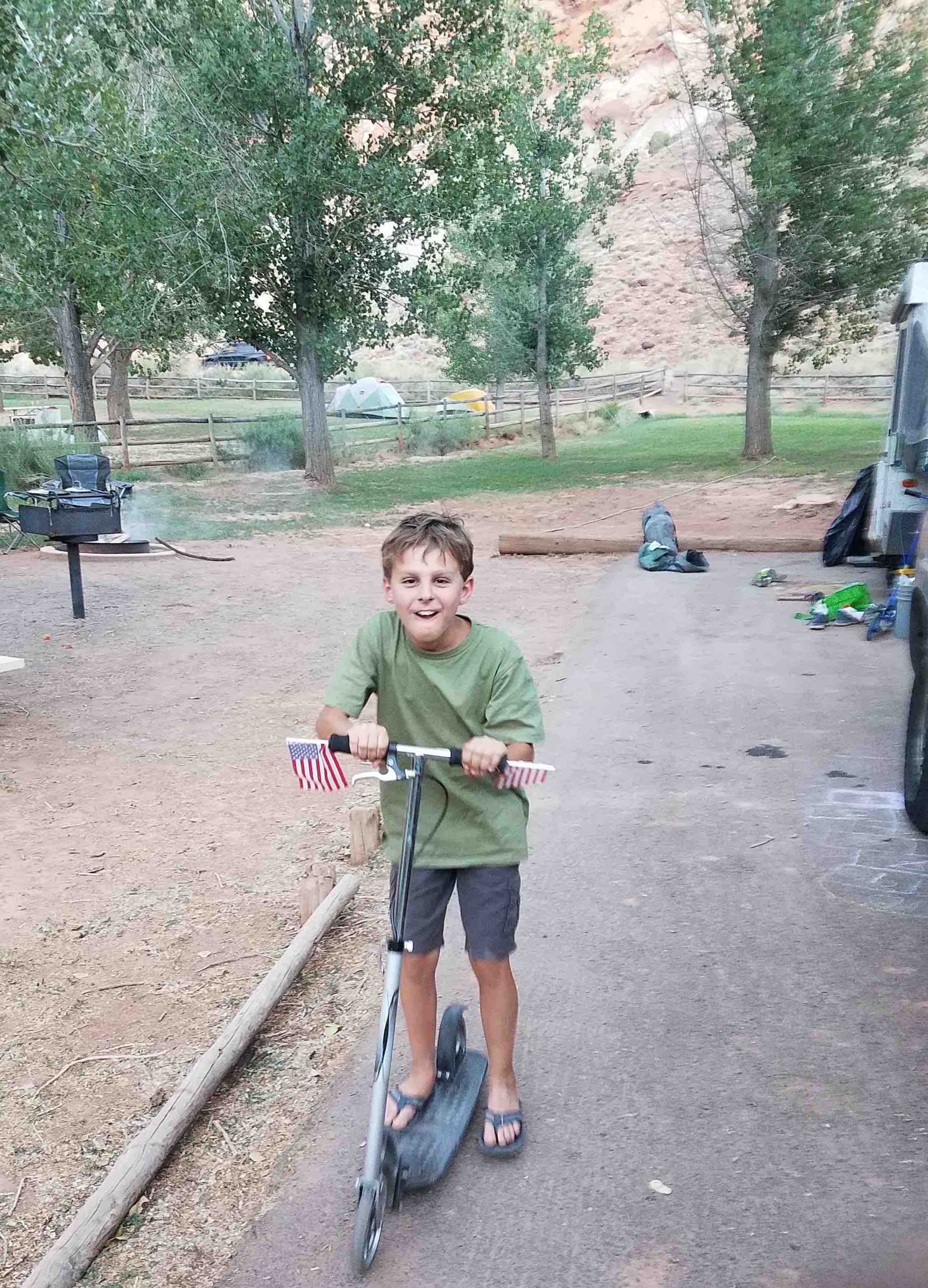
Eli celebrating the 4th of July in the Fruita Campground
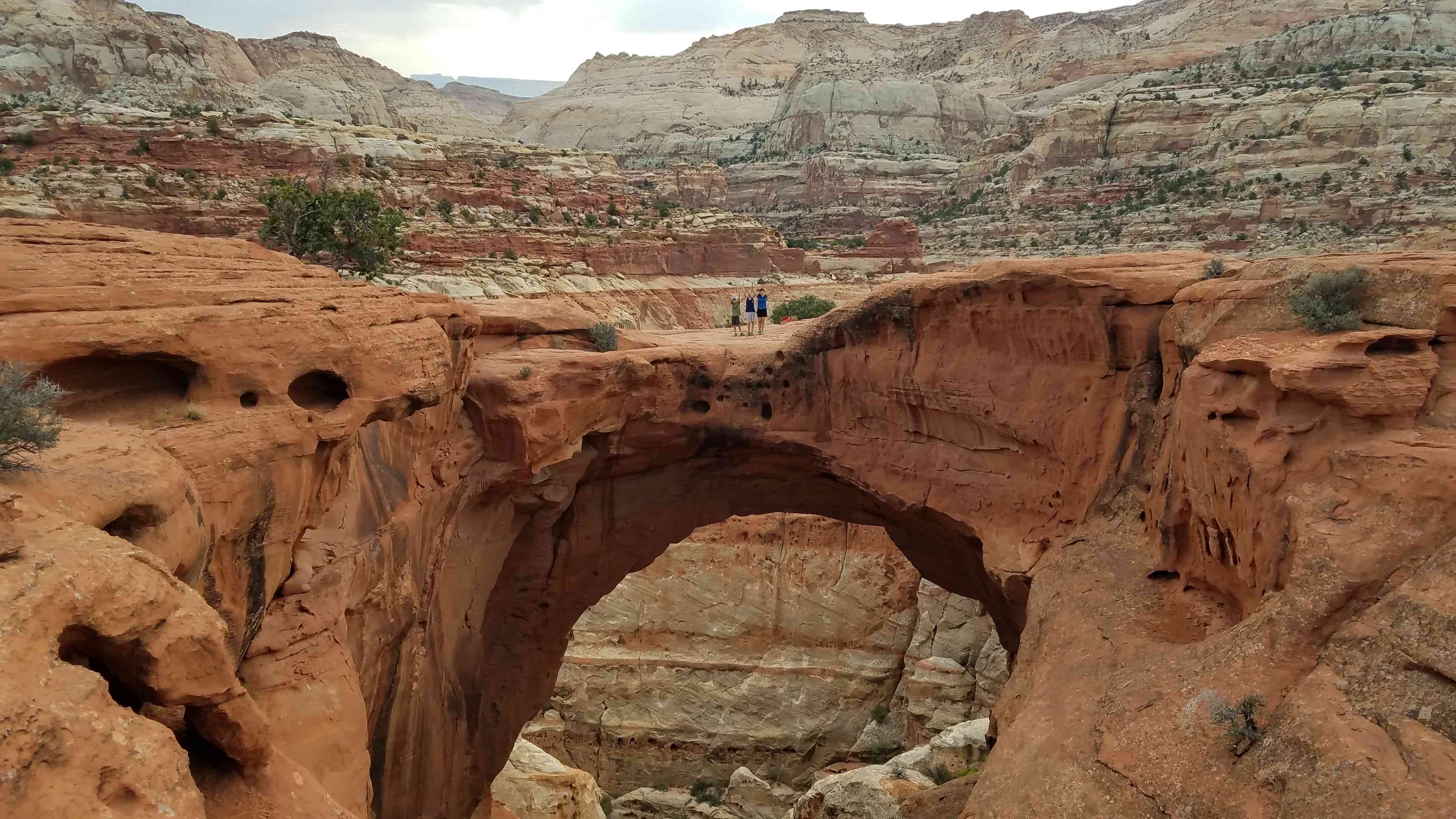
Korin, Samantha and Eli on top of Cassidy Arch


Part of the HWY 95 drive through Glen Canyon

Natural Bridges National Monument: Hiking Redemption

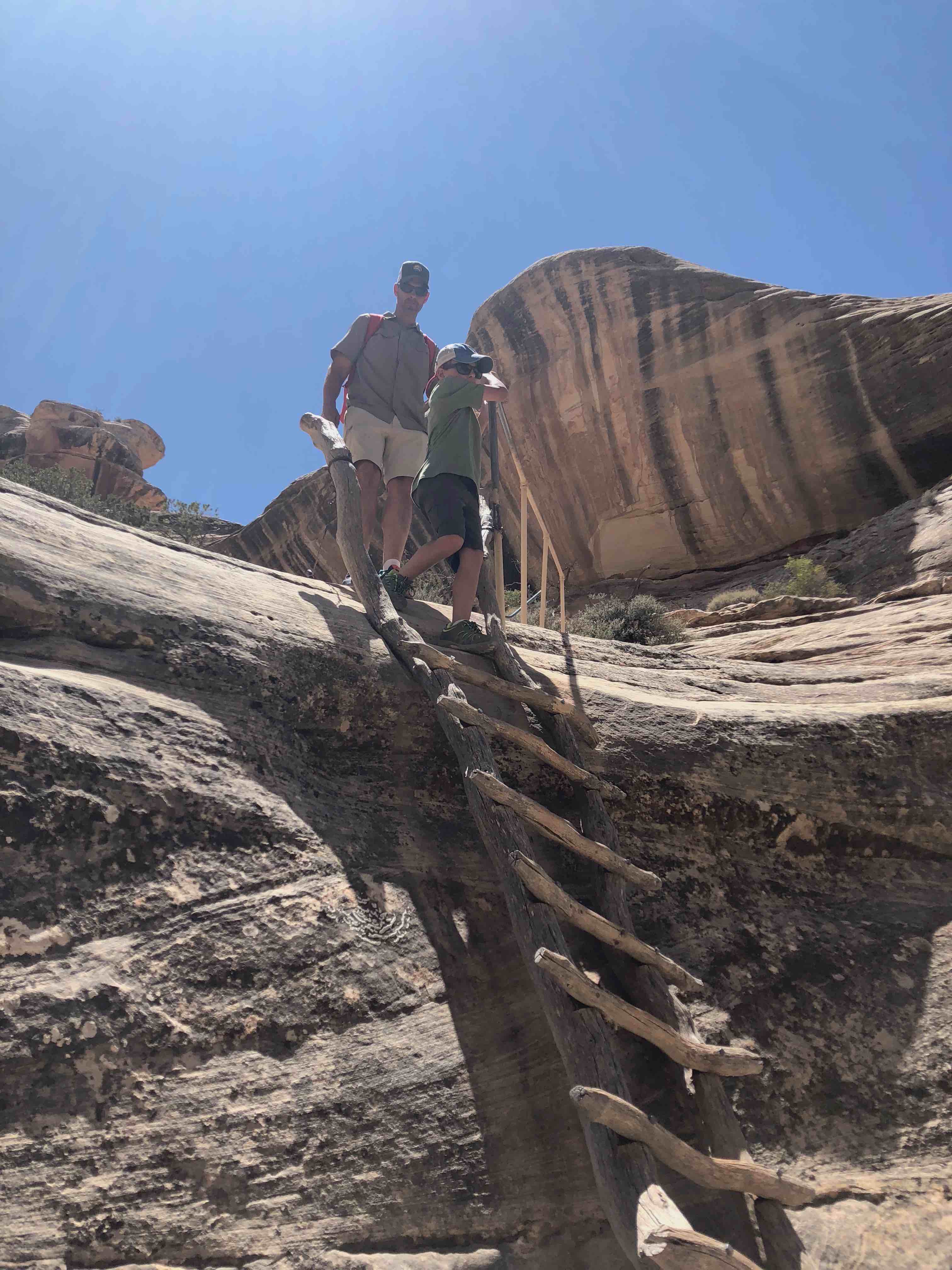
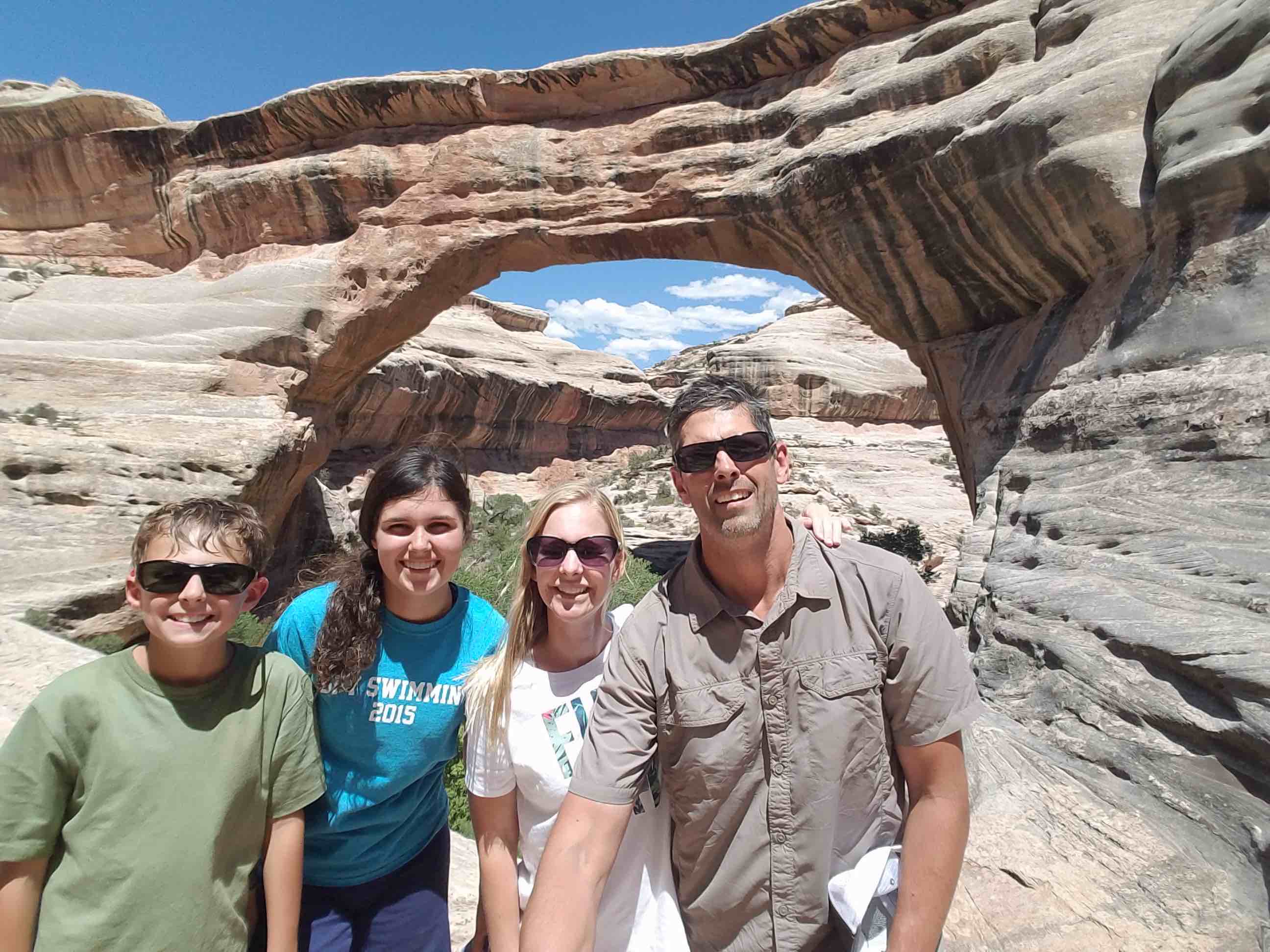
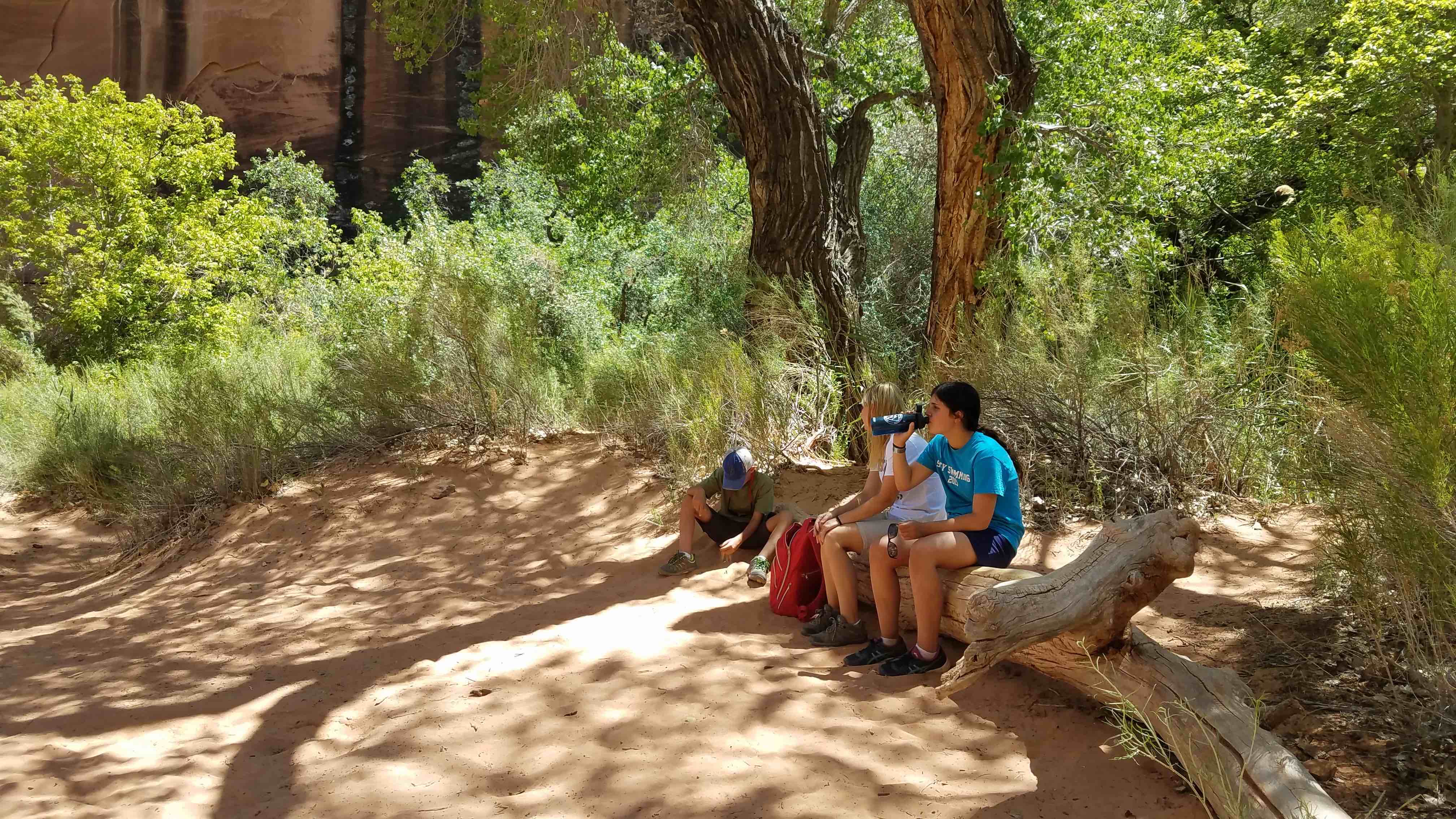
Having been put into a suplex by the Black Canyon of the Gunnison, we were out for some hiking redemption. A quick hike to the base of Sipapu Bridge in Natural Bridges National Monument is just what we needed. Plus, it broke up the drive from Canyonlands NP to Capitol Reef NP. From the rim, the trail is only 1.2 miles round trip, but descends about 1000 feet. The Sipapu is created out of Permian Sandstone, deposited ~270 MYA. There was a definite sense of history entering into the canyon. It is a quick hike, and something my 42 year old Dad-bod could handle. A nice combination of slick-rock, step-stones, and wooden ladders make for a fun adventure. At the base, we relaxed under giant cottonwoods that provided plenty of shade, while also showing evidence of flash floods that seasonally rip under Sipapu. Once the Turkey vultures started to swirl, sensing that we may be their next meal, we climbed our way back to the rim in just under 20 minutes. It was a great, unplanned stopover on our adventure.

Eli navigating one of the wooden ladders that leads to the base if Sipapu Bridge. Nice form kid!
We made it to the 13th largest natural bridge in the world…and we didn’t die!
We were thankful for the Cottonwoods (both alive and dead), to provide a nice shady place to rest before our sprint out of the canyon.


Off the Beaten Trail: An Adventure in Canyonlands National Park

By Sam

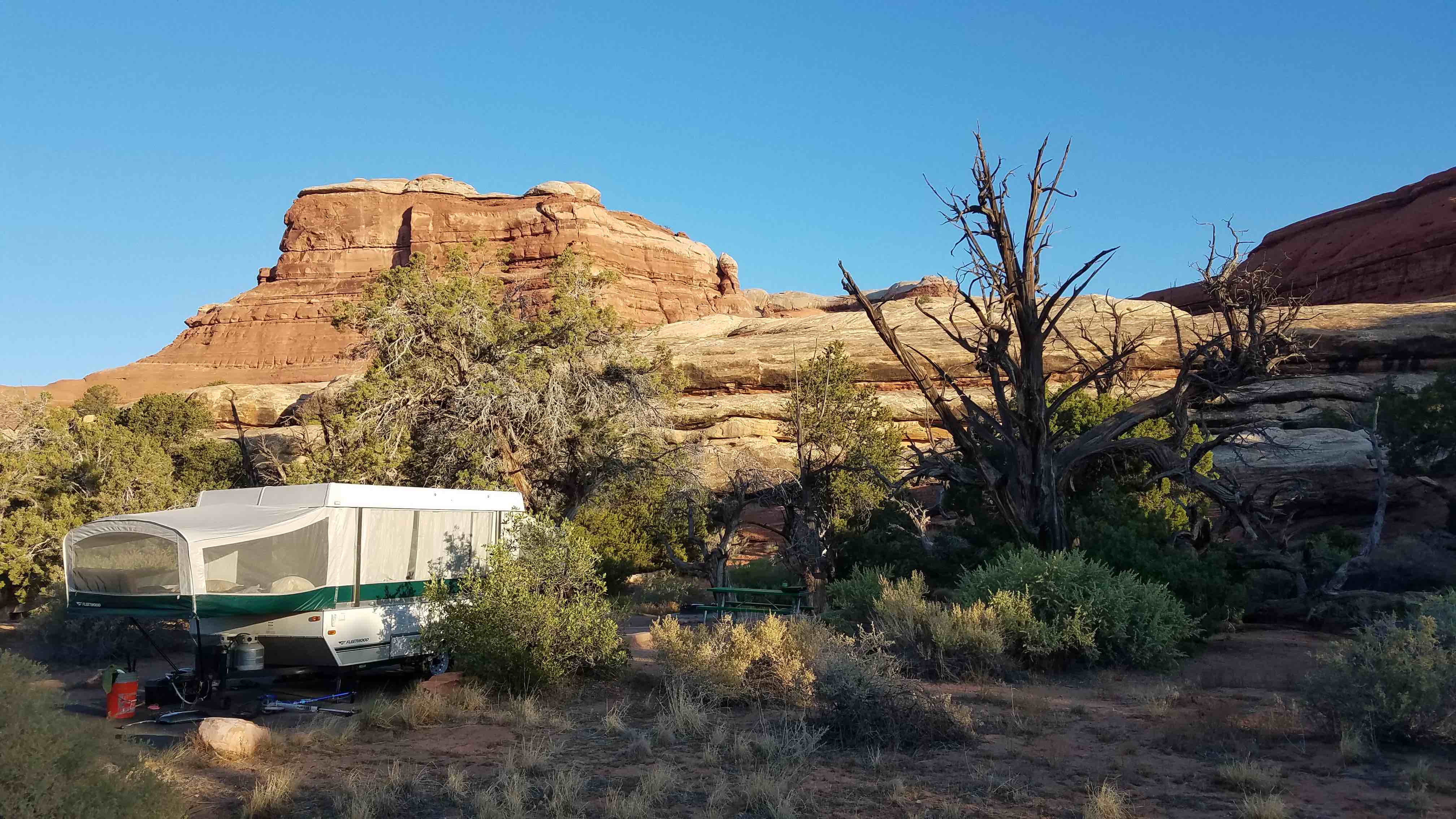
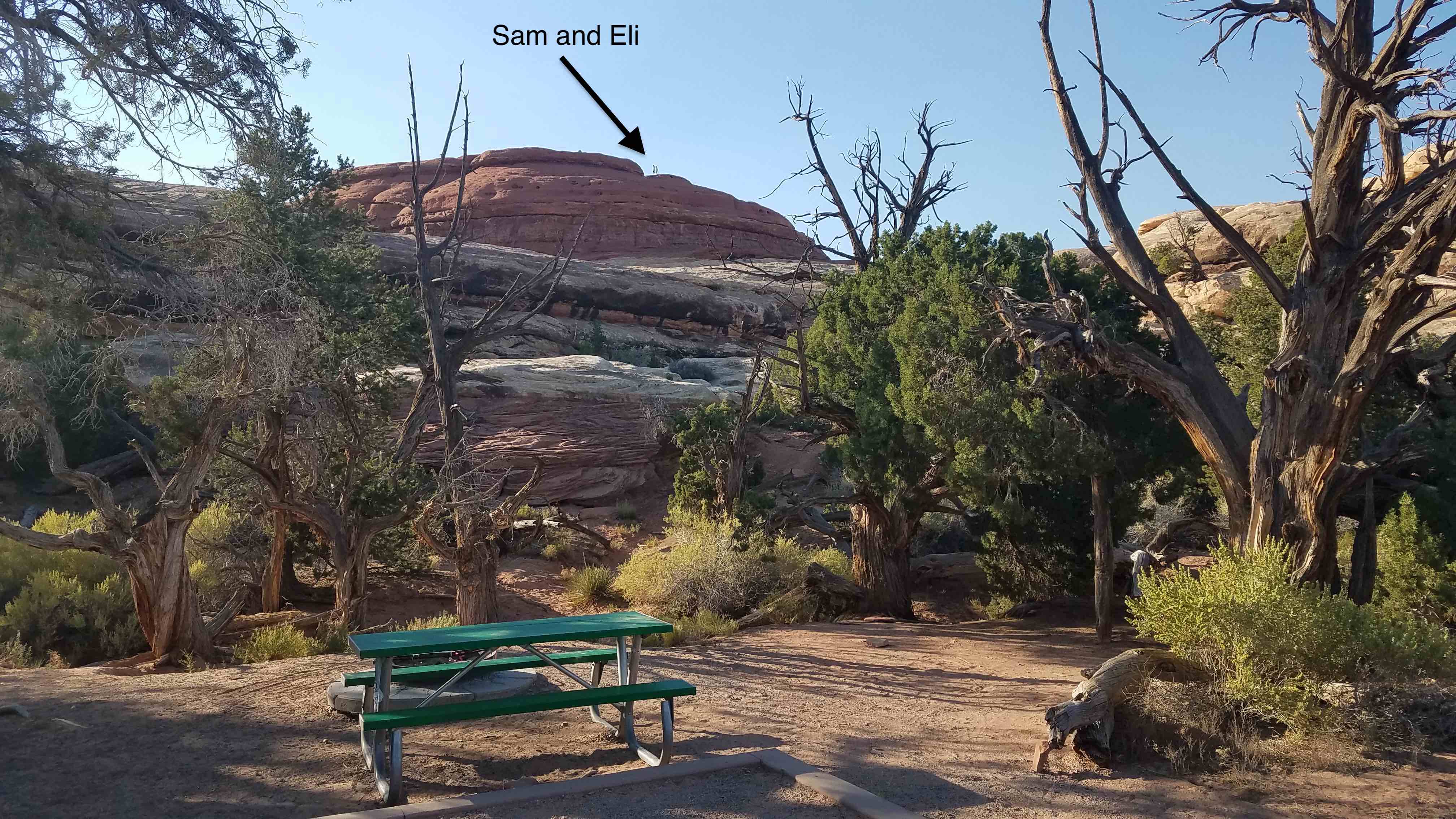
When we pulled into Canyonlands National Park campground, Eli and I immediately started tearing up. Why? Enter Devil’s Garden, the Arches National Park campground, where two years ago Eli and I had hiked giant boulders and cliffs so that we almost touched the sky and scared our parents half to death. Now, we were looking at a campground surrounded by mesas that reminded us of that magical day in Devil’s Garden. So, as soon as we decided on a campsite, Eli and I bolted out of the truck and started climbing the mesas while our parents set up the pop-up.

The most challenging part about climbing those steep red rocks was finding hand and foot holds that allowed minimal risk of injury if we fell. The trick to this was to imagine my mother’s face if I came back with a broken ankle. If I found a route that might be a bit risky, I would keep that image in my mind as I made a decision. Eli and I scampered around the mesa, climbing higher and higher until we were almost blown off the cliffs by the wind.

Unfortunately, as we turned around to head back to the camper, Eli and I realized that we could not remember which direction we had come from. In other words, we were lost. Well, sort of lost. We knew with absolute certainty one direction we had to go: down. So, we painstakingly made our way down from the mesa, trying to remember landmarks and which site the pop-up was in. Eventually, we reached the sweet, sweet ground and made our way through the brush to the road. We galloped down the road until we saw our trailer, and even though we had an exiting time, we were happy that our mesa climbing adventure in Canyonlands was at a close.

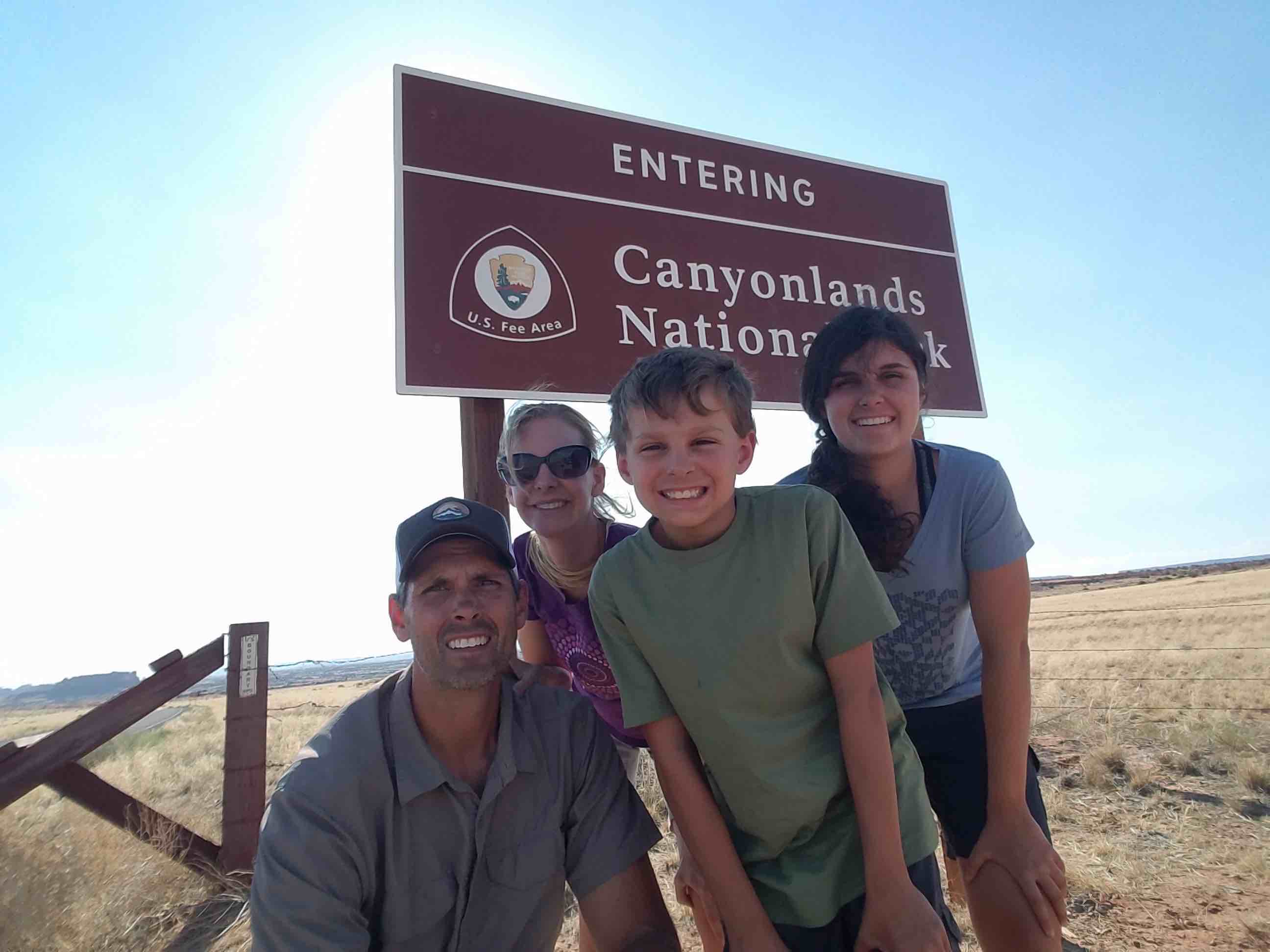
Entering the Needles District of Canyonlands National Park
Epic campsite, tempting us to climb!
Samantha and Eli looking back on the campsite from a huge rock. The canyons were calling!